You are here: Home / Archives for music scene

The Independent Artist: A Sit-Down with Sam Lewis on Career Longevity and Creative Control

12-May-2026 By Meagan Clements

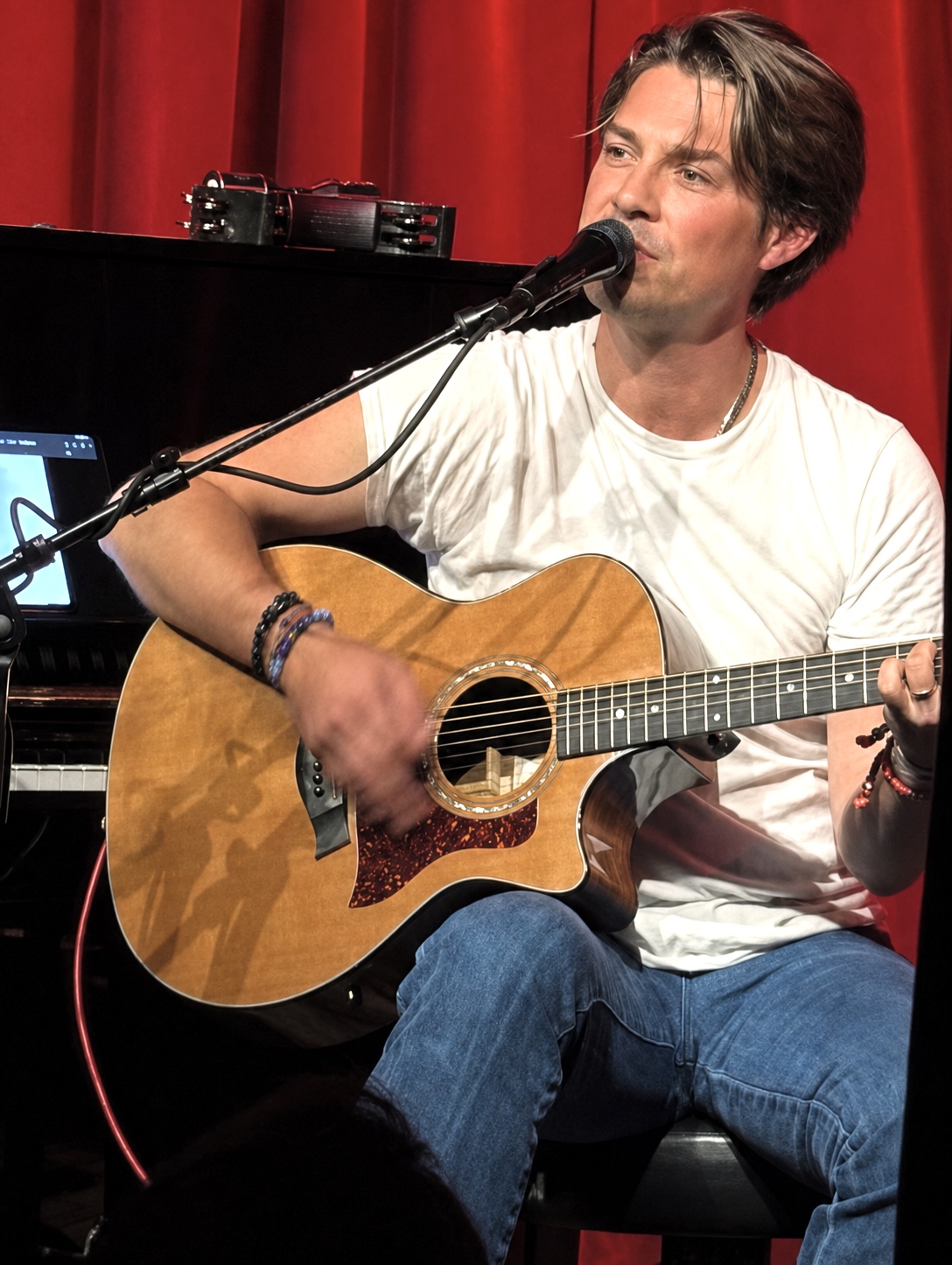
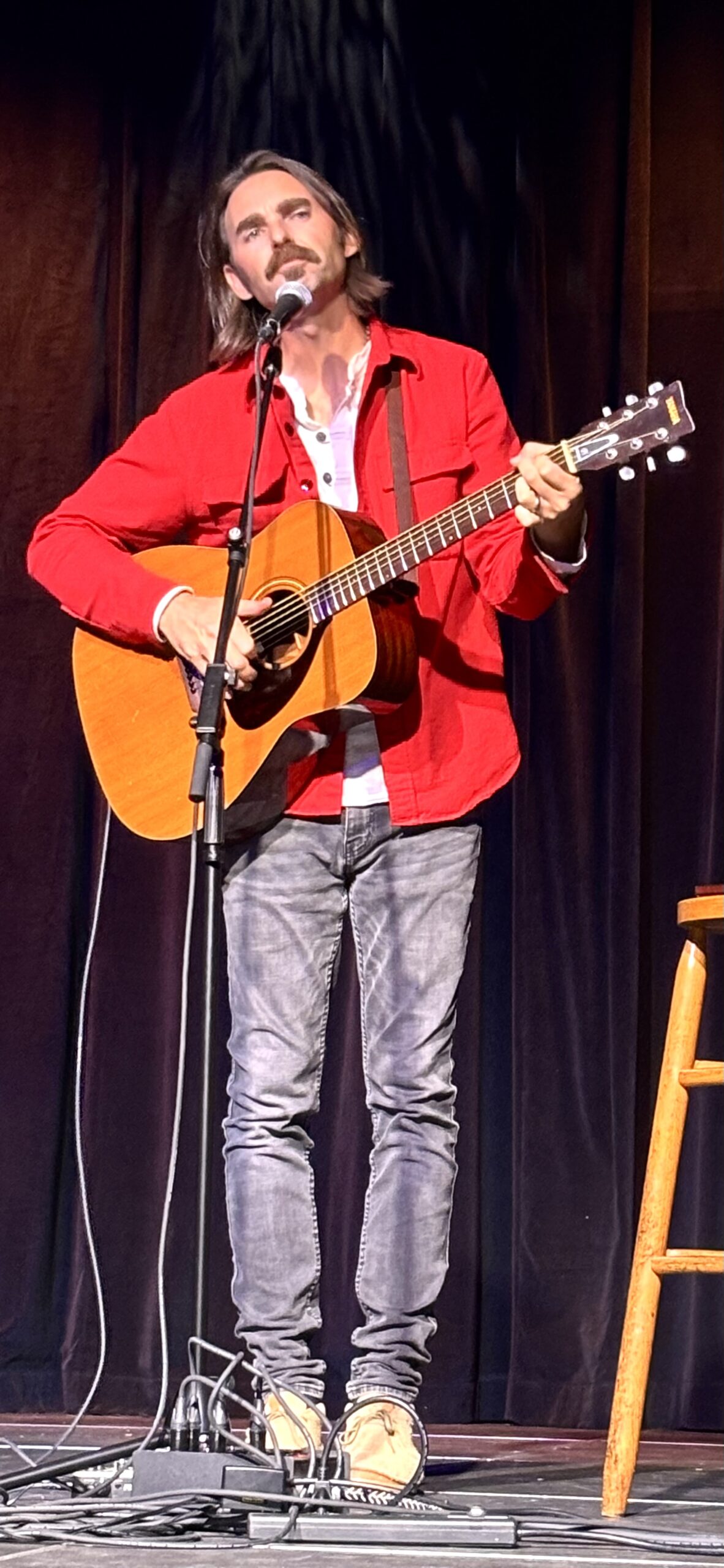
Sam Lewis performs at Bay Theater in Seal Beach, Calif.

Published: Dec 2025 | Reading Time: 13 minutes | For Musicians, Promoters, Americana fans & Event Organizers 


The Nashville, Tenn. singer-songwriter tells all — from American Idol and Taylor Swift to remaining independent and honing his craft with honesty and integrity. 


Table of Contents 

Part 1: The Reality of Being an Independent Artist

Part 2: Navigating the “Entertainment Machine”

Part 3: Developing Your Craft in Real Time

Part 4: The Man Behind the Music


His musical influences:  

  • Ray Charles
  • Willie Nelson
  • Van Morrison
  • John Prine
  • Guy Clark


Part 1: The Reality of Being an Independent Artist  

Musician Sam Lewis is an independent artist who finds sovereignty in many different things.

Although it has taken him time to find his artistic tribe, he is a songster with something worth saying.

“Everyone has something to say, and they have many platforms to do that,” Lewis said.

Lewis isn’t fond of the lottery or casting shows on national television.

“I don’t believe in the lottery of any line of work or field,” he said. “I think for people who create what they live and what they’ve experienced, it’s the long game if you’re not wanting to sell all of your soul.”

Lewis says shows like “American Idol” are entertainment in the most homogenized form.

If McDonald’s and Mountain Dew came together, this is what their byproducts would look like. It’s born out of curiosity and ‘what if.’ Lots of people that audition for these shows have something to say more than just their rendition of a cover.

While he doesn’t throw shade at those who audition, he remains skeptical about the show’s lofty promises and the contestants’ hope of receiving a record deal.

“They genuinely are talented, but they’re kind of owned,” he said. “There’s a really bad underbelly to that type of entertainment.”

As an independent artist, Lewis supports a do-it-yourself model which places creative control in the hands of musicians.

“I think it’s a more accurate and realistic model,” he said.

Despite this, Lewis expresses concerns about the future of the music business.

“Music has sadly become background [noise] to a workout,” he confessed. “It’s consumed very differently than when I grew up listening to music.”

Lewis frowns upon the direction that artist development has drifted these days.

“Artist development is non-existent,” he said.

Nothing is Foolproof

“One of the worst [persons] to try and develop an artist is an artist,” he said. “It’s a hard thing to manage because it’s happening in real time. It’s not just a painting that’s on the wall.”

Lewis remembers a time when there were no television shows turning young teens into overnight musical sensations.

“It was artist development in each sector going out and seeking things that moved them and touched them, not just [things that] could make money, but could be something,” he said.

Lewis praises artists that emerged in the 60s, 70s and 80s.

“Most of the artists that came out of the 60s, 70s, and 80s made two, three or four records before they even landed on the radar,” he said. “That took a machine, that took a lot of people making it happen.”

He agrees that artists were allowed the time necessary to create something from scratch.

“[Artists] were left alone and weren’t trying to figure out how to promote a show or manage their career,” he said. “Their job was to be isolated and create stuff. Now your average artist is responsible for everything that was once held in a brick and mortar.”

As for corporate music moguls, Lewis says they often miss the mark creatively speaking.

“They’re not listening with their emotions,” he said.

In the quiet of his Nashville home, Lewis, who is tall and thin and has a dry, unassuming sense of humor, occasionally questions his artistic limitations.

“Are they a byproduct of mediocrity?” he wondered. “We live in a time where just because you can do something, doesn’t mean you should. I constantly battle that. It’s the critic in me.”

Knowledge and Awareness

While Lewis acknowledges cynicism in his own inner critic, he says it all boils down to one thing.

“Ultimately, it’s awareness,” he said.

Lewis isn’t fazed by Taylor Swift, Will Smith, or Chris Rock.

“It’s like when Will Smith slapped Chris Rock. It doesn’t concern me. I don’t know why my opinion would matter in that. Yeah, I saw it, and I don’t think you should physically attack people regardless of who you are, but who cares?” he said. “It doesn’t have anything to do with me. Taylor Swift and Will Smith may as well live on Mars because they kind of do. I don’t cross paths with them. I don’t have anything in common with them. There’s a lot of people like that.”

Lewis focuses not only on the type of music he makes, but on asking himself insightful questions.

“What level am I on?” he asked. “What lane am I in?”

 A Blast From the Past

Lewis often heads back in time, analyzing Ray Charles’ catalog.

“Look at Ray Charles’ catalog,” he said. “Out of all of the albums he made, he maybe wrote 20 songs and none of them were really hits. They were just Ray Charles songs.”

Lewis acknowledges that there was a time when everybody championed not only the songwriter, but the song itself.

“Willie Nelson — some of his best songs were written by other people,” he noted.

Part 2: Navigating the “Entertainment Machine”

Overrated Qualities 

When it comes to the most overrated quality in a performer, Lewis isn’t shy about expressing his opinion.

“When I think of performing, I think of being on stage, but also, we perform on social media too,” he confessed. “If I were to go to your social media account and I’m not really seeing or hearing anything about what it is that you do, like your art, then I think it’s all overrated.”

He sighed.

“I just made a video this morning about [how I sell hoodies]. I even have complexities with doing stuff like that,” he admitted. “Ultimately, it gets people to the website where they can see my tours, my public calendar. Maybe they don’t buy a hoodie, but they buy tickets to a show.”

Finding the Right Balance

“If I did a post every single day talking about a show that I’m playing at, what’s going to happen is people are going to disengage,” he said. “I’m probably promoting shows in regions that people don’t even live in.”

Email marketing hasn’t proven to be any easier.

“Sometimes people unsubscribe to my newsletter if I’m promoting a UK tour because it doesn’t apply to them,” Lewis said. “They don’t even comment on it when they live across the pond.”

For fans investing time into seeing Lewis live, he offers more than just music for those who wish to take a piece of him home with them.

I’m not singing songs so that you buy a t-shirt. I just have something like that to offer in case you don’t own a CD player or spin vinyl. It’s something else that you can take with you.

Lewis makes light-hearted conversation throughout his live sets to keep eyes and ears engaged.

“I’m not in the shirt-making business but it just happens to be on the merch table, so why not talk about it on stage?” he asked. “Maybe you don’t talk about it on stage but nevertheless, all the lines parallel one another to hopefully remind people, ‘Oh, yeah! I saw that guy! You should listen to his music.’ It’s all connective tissue for sure.”

Lewis isn’t concerned about shows that don’t sell out, either.

“I think in some ways it makes it easier because you get to engage with people,” he said.

Learning to Let Things Go

“It’s taken years to get to that place of comfort where it’s [no longer] my concern,” Lewis confessed. “There are so many things that are just not my concern. For a place to not be sold out or to be really thin or whatever, by the time I come out there, my whole goal is to not even make that a conversation. I don’t even want to acknowledge that.”

The number of people in a room is one thing Lewis strips from his subconscious.

“It’s irrelevant because whatever it was intended to be, it’s happening right now,” Lewis said. “This is our time whether there’s 300 people or 30 people there. This is the show that you’re getting. I can’t take things like that too personally. They don’t really validate anything for me.”

Patricia Marie was lucky enough to catch Lewis on one of his tours, applauding the troubadour’s mesmerizing delivery and on-stage persona.

“He was truly authentic in a cookie-cutter world,” Marie said, looking back at a photo she snapped of Lewis with shoulder-length hair tucked behind his ears and a coffee-colored mustache.

Lewis values keeping lines of communication open with historic theaters and other intimate venues for listening to and performing live music.

“You gotta think about it from a consumer standpoint and a business standpoint,” he began. “The bigger the space, the more [people] you have to employ and the more service charges and fees there are, and so on and so forth. The expenses can become overwhelming and not worthwhile whether you’re a performer or a buyer.”

Lewis, who mostly tours solo acoustic and has been spotted wearing a pair of suede boots, blue jeans and a red flannel shirt, says it comes down to monetary perspectives.

“I don’t play a lot of festivals for a couple different reasons,” he admitted. “The larger the space, the larger the occupancy and you’re asking a lot of people to stay engaged. At times, it can be counterproductive to be in bigger rooms.”

He stays in constant communication with every promoter, talent agent and buyer.

“Working in tandem with them gives me a better understanding of not just what should be done but what is actually being done and holding myself accountable, too,” he said. “You can only post about so many shows in certain places so many times where it’s not as effective.”

 Part 3: Developing Your Craft in Real Time

 Reengaging with Audiences Large and Small

“If you’re not selling out rooms, you’re developing,” he admitted. “You’re going to places that you haven’t been and where people haven’t seen you before.”

Lewis agrees that it’s the responsibility of the venue and the concert promoter to build awareness.

“There’s only so much bandwidth that I have,” he said.

Lewis praises youbloom’s philosophy on giving artists and music aficionados a voice in the equation.

“Everybody has a voice, and I think most of those voices should be heard,” he acknowledged.

Musical philosophy 

“We’re all cut from a different thread, sometimes you’re blue, sometimes you’re red,” he sings. He’s found the sweet spot within his vocal range and listeners are here for it.

For Lewis, whose artistic accents offer Americana and no-frills fingerstyle on a Yamaha acoustic guitar, it comes full circle back to accountability.

“I think it’s good to see and hear what people have to say because a lot is expected of all of us,” he said. “There is a downside to underselling a show as a consumer. It’s confusing to go to a show, especially a room that is less than half filled. You actually enter a sense of, ‘Have I been fooled?’”

He says no matter the downside, everyone is human.

“We’re consumers and we’re human. We like to buy things and use things that other people use,” he said. “We respect other people‘s decisions, especially if they’ve sold us on stuff whether we really need it or not. It’s validating and we like to have that as consumers.”

He is optimistic about the many promises youbloom has to offer.

There’s a great place right now for youbloom and what it offers.

youbloom CEO Phil Harrington is a musician himself. Harrington is influenced by Neil Young — among others — and even enjoys listening to Lewis.

“One of the things that just always echoed with me is the challenges that artists have in getting shows,” he said, tapping into the artistry of Lewis.

Lewis is thankful for the renovation of historic theaters, including Bay Theater in Seal Beach, Calif.

“My favorite thing about it is that it actually happens and that we get to be a part of that,” he said, smiling. “These theaters, you know, I worship them. They have sustained depressions, recessions and pandemics. It’s one of the most notable and charitable contributions in regard to the arts for people to pour not just money but a lot of their time into at least restoring them or keeping them alive. I think they’re the best place to see live entertainment.”

His art remains meaningful and musing, whether his glass is half full or half empty.

“Depending on [whether] your glass is half full or half empty, you can go, ‘What’s the point of just throwing more stuff into the abyss?’” he asked. “If you set out with that in mind, you’re probably not going to be impressed with what you have to offer the world.”

Listener Feedback 

Saundri Luipold is the former, co-editor-in-chief of The West Wind, a literary journal fostering creativity of young adults through Azusa Pacific University in Azusa, Calif. Luipold was eager to shed light on Lewis’ storytelling, noting that one song in particular, “Virginia Avenue,” caught her eye.

“On a surface level, the slowness of the music itself matches the meaning of a slow, small-town life,” Luipold began. “On a deeper level, something I noticed is that the lyrics don’t seek to come to any kind of grand conclusion or answer a question. Rather, they sit in the slowness of the surroundings on Virginia Avenue, [citing] the neighbors and friends by name, describing the car that won’t start and the dogs that bark.”

Luipold smiled thoughtfully.

“This song might make some listeners think of home and what it means to have roots in a place,” she added. “It is exactly what one wants when looking for a classic folksy tune.”

The first time a listener known as Ginny heard Lewis’ music, she settled into the songster’s heartfelt hooks and homestyle tunes.

“His style struck me as a cross between country and bluegrass,” she said. “I [especially] loved the tone of the guitar. I wasn’t sure if there was an electric guitar, a lap steel guitar or a dobro.”

Ginny took comfort in Lewis’ vocal prowess adding, “The music is very well produced.”

Part 4: The Man Behind the Music

Remaining present 

Lewis is interested in all fabrics of society and tries his best to remain present at each moment of life.

“Being in the present takes very, very little. It just takes you,” he said with eyes as blue as the ocean.

On tour, Lewis is frequently found signing autographs and posing for pictures with his fans. He is characterized as pleasant and unpretentious.


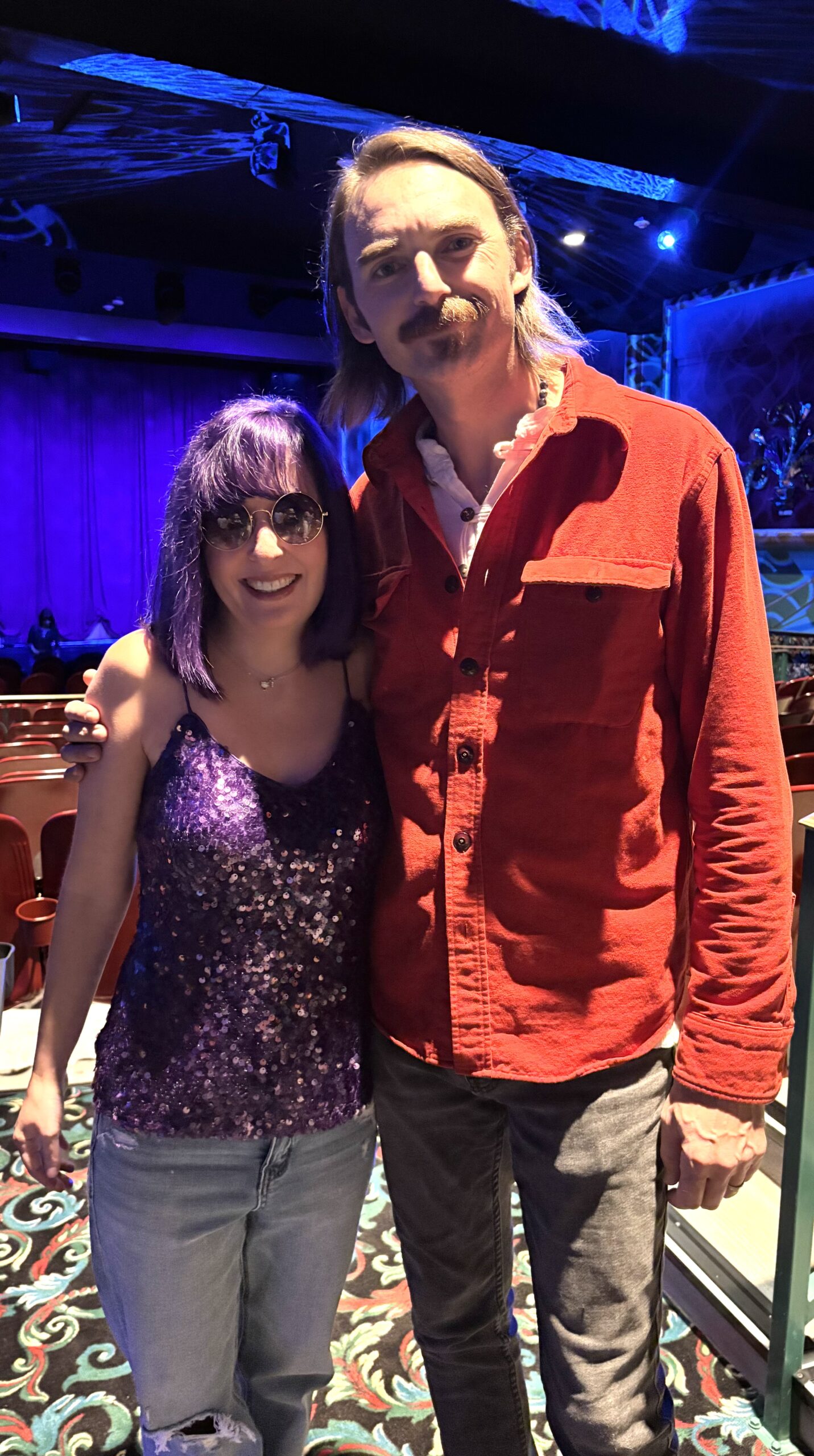
Sam Lewis poses with a fan who is wearing a sparkly purple tank top and hair to match

Favorite Pastimes and Hobbies 

When he’s not performing or crafting compelling narratives, Lewis is an avid reader, enjoys leisurely strolls around his Nashville neighborhood and gets lost in his favorite podcast — “The Blind Boy Boat Club.”

“He’s an interesting character. He wears a bag on his face because he’s not interested in what I think most people are interested in when success comes along, which is recognition,” he said. “He’s actually very, very anti-that.”

 “Everything’s Fine”

Although Lewis is proud of his 2024 release, “Superposition,” he has new things on the horizon, including an album which just released. ‘Gentle’ is the first word that comes to mind when describing his latest record, “Everything’s Fine.”

Lewis thought for a moment.

“I have been calling it the departure from my departure,” he laughed. “Sonically, we reel it in quite a bit. It is very, very intimate.”

Additionally, the record feels like home for the straight-haired songster.

It is very representative of where I currently am as a human. I try my best to not make the same album twice.

Lewis shared a few in-studio secrets for die-hard and casual listeners alike.

“We did have a little bit of fun with a couple of toys in the studio, but it’s not as ethereal and spacey as Superposition was sonically,” he said.

To learn more, visit Sam Lewis’ official website.

Related reading: The Ultimate Concert & Live Show Planning Guide: Pre-Event Preparation Essentials.


Filed Under: Artist Discovery, Artists, Fans, Featured Artist, Global Music Village, Independent Musicians, Interviews, Live Music, Music Advice, Music Industry, Music Promotion, Require Authorization Page, Uncategorized Tagged With: featured artists, independent artist advice, independent musicians, lead singer, music blogs, music industry news, music scene, musician, spotlight, stage presence, tips for artists, youbloom

The Independent Artist: Talking it Easy with Timmy Rough of German Rock Band, The New Roses

11-May-2026 By Meagan Clements

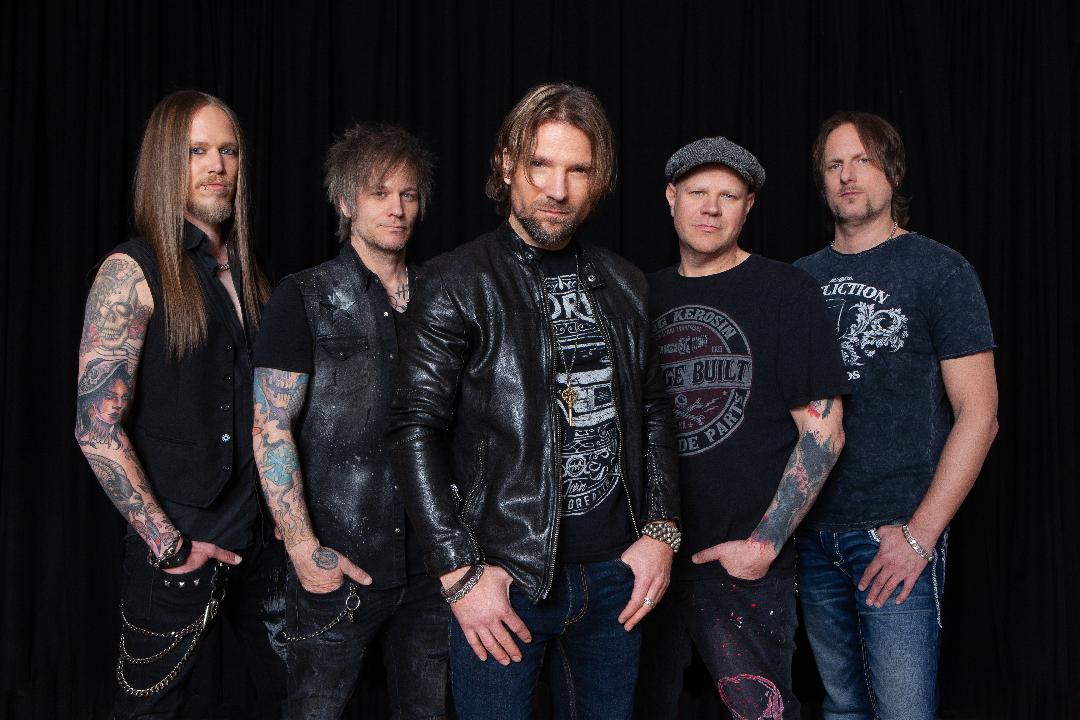
Copyright by Vera Friederich (Timmy Rough, center)


Published: Jan. 2026 | Reading Time: 16 minutes | For Musicians, Promoters, Rock Fans & Event Organizers

From pub stages to fronting German rock quintet The New Roses, troubadour Timmy Rough hones in on his unfiltered rise, making his mark in the music industry.

Table of Contents:

Part 1: From Starting Small to International Rock Royalty

Part 2: Breaking Barriers: Touring Realities and the Global Rock Scene

Part 3: Turning Suboptimal Circumstances into Unforgettable Live Performances

Part 4: Voice, Vulnerability and the Benchmark for Success

His musical inspirations:

  • Country Music
  • Bruce Springsteen

Part 1: From Starting Small to International Rock Royalty

From the comfort of his home studio in Germany, Timmy Rough, singer/songwriter and frontman of The New Roses, clicks on a Zoom link. He’s taking a short break from recording the band’s upcoming studio album.

His face appears on screen. He’s unshaven and wearing a cap backwards. He smiles politely, reassuring a music journalist thousands of miles away with his husky accent that she has nothing to worry about — time can run over if need be.

It seems as if two worlds have collided. The music journalist adjusts the screen of her laptop. She’s sitting on a cozy chair in Orange County, Calif., as Rough explains the challenges his band faces when asked if The New Roses plan to tour The States.

The Big Question

“If an American band tours in America, why would [they] take a European band on the road?” he pointed out. “Logistically, it’s so much easier to just take an American band with you or even have local bands open up. That’s what happens a lot of times. You know, they’re playing in Texas, they get a Texas band. If they’re playing in Florida, they get a Florida band.”

Rough thought for a moment.

You can’t just say [to KISS], ‘Hey — when are the US dates?’ because they have big names opening in the US. It’s very difficult to get those slots even when they’re in your own country, you know?

Often, Rough relives unforgettable memories from life on the road in Europe.

“We were very fortunate to open for the Scorpions and KISS,” he said, remembering the experience fondly. “We toured with Black Stone Cherry and Foreigner and all of those guys. Those opening slots are like a currency. It’s like, ‘You owe me one so I put my band on this slot next time’ and stuff like that. Those slots are not just for the best band. It’s not like the biggest potential gets the shot.”

Although a tour in The States isn’t yet in the works, Rough, who enjoys country music and all things Bruce Springsteen, remains hopeful.

“We haven’t planned anything,” he said. “I spend a lot of time in The States, and I’ll be in The States next week for Christmas and New Year’s in Florida. I love the country, I love the people, and I especially love the diversity of the music.”

How youbloom Can Help

Rough is thankful for platforms like youbloom that aim to close geographical barriers, making live music more accessible for all.

“There’s so many of us out there who don’t get the chance to [expose] their music to their main target group,” he admitted. “To have a platform, I suppose, where people that like a certain kind of music can just login and get updates like, ‘Hey, you might like this or you might like that and here’s tickets and here’s the videos and everything so you can find your bands much faster’ is a good idea.”

Rough is optimistic that youbloom will assist The New Roses in reaching fans outside of Europe.

“When people get together and team up for a certain thing, it’s always fantastic,” he said, exuberantly. “Any kind of movement you start is always a good sign of, ‘Hey, we’re still here, rock music still matters, and we still want new artists.’”

Drawing a Parallel

Rough compared youbloom’s mission statement to a similar movement in Europe.

“We have this thing in Europe — they call it The New Wave of Classic Rock. It’s a UK group and they do kind of the same thing,” he shared. “They team up and they have a Facebook page and everything. They just spread the word, and they did this multi-artist kind of record. They put their favorite newcomer bands on it and then they walk around at concerts and hand it out to people so that they can listen to that stuff.

Rough says it isn’t about money.

“They’re not making any profit off of that stuff. They’re doing it for the love of music,” he said.

Part 2: Breaking Barriers: Touring Realities and the Global Rock Scene

Artist Development

These days, Rough admits many record companies are failing at artist development.

“It’s not like, ‘Hey, we got this new artist and we’re gonna spend tons of money on advertising or putting them on the road with big names,” he said. “That’s not happening anymore. The band has to find their own way to get recognized.”

The Creative Landscape

Rough is thankful for additional platforms putting in the time it takes to shift the creative landscape.

“It’s always a great sign to meet people that say, ‘I’m not making any profit. I’m just trying to spread the word. I’m just trying to give people the chance to [hear] bands that I really enjoy and I want people to [experience] the same joy as I do,” he said. “Maybe one of those radio stations or one of those blogs doesn’t make the difference but if you see how many interviews I give when I promote a new record and how many smaller radio stations and platforms I talk to, I’m pretty sure in the end that it makes a difference. If you would take all those components out of the equation, I would say there would be a big chunk missing.”

Human Juke Box

Before signing with independent label, Napalm Records, alongside his New Roses bandmates — drummer Urban Berz, bassist Hardy W. Heart and guitarists Norman Bites and Dizzy Daniels — Rough earned thick skin performing in pubs with an acoustic guitar.

You’re like a living juke box. Sometimes they treat you like a superstar and sometimes they treat you like a thing, like an object.

Rough looked up.

“You learn that it has nothing to do with you,” he said.

By the time Rough formed The New Roses, he had already played 1,000 shows for more intimate audiences.

“You do the same show every night,” he began. “Sometimes it goes great and sometimes it sucks. Sometimes people are nice and sometimes people are rude. Sometimes you make a lot of money and sometimes you make no money at all.”

Part 3: Turning Suboptimal Circumstances into Unforgettable Live Performances

The Elephant in the Room

Rough says performing in pubs taught him how to deal with suboptimal circumstances.

“The best way to deal with suboptimal circumstances is humor,” he said. “We call it, ‘calling out the elephant in the room.’ That’s my strategy always. If we play a show and there’s not a lot of people there, of course the crowd recognizes there’s not a lot of people there.”

Rough reflected on a show The New Roses played in England. An estimated 35 people were in attendance.

“I remember that night,” he said. “I took the acoustic guitar out, unplugged it, and just sat down in the middle of the audience and played it [without an amplifier].”

Rough smiled.

“If you go out and try to pretend that the house is full and you play the same show and do the same moves and do all these things you do when you’re opening for KISS in front of 15,000 or 20,000 people, you make a fool out of yourself,” he admitted. “What I do is I go out and I call out the elephant in the room. I say, ‘Wow — this is very cozy in here tonight. Let’s all get up here on stage. I bet I could fit all the people in the crowd onto the stage.’ What started as a suboptimal circumstance turned out to be something that the audience of that evening will never forget.”

Engaging with Audiences

Rough isn’t shy about having fun on stage, imagining how it must have felt for one special fan.

“I actually danced on stage with the band [that night],” he said, putting himself in her shoes. “It was so cool, and they handled it so well. They were so nice.”

Rough added, “I guess, to move toward the difficulties and call them out and use them as fuel for the show is always, in my experience, better than trying to pretend it’s a fantastic event or maximum audience or whatever. If the lighting is shit, I call it out. If the sound is shit, I call it out. I try to use it as fuel for the show.”

Regardless of whether it’s 35 people or 35,000 people in attendance, Rough cares deeply about his craft.

“You know, of course you try always to win the evening or win the audience, so I don’t wanna come across as someone who doesn’t give a shit,” he confessed. “I care a lot about winning the evening, about winning the audience, making everybody happy and satisfied.”

For Rough, flexibility is the key.

“You have to be open and flexible on how to achieve that goal. You can’t do it with the show itself,” he said. “Maybe something is wrong. Maybe the audience is very small, or the lighting is shit or whatever. You have to find another way. You always have to be open and flexible to make the audience feel special and remember the night as something that was worth the money.”

From Troubled Teen to Sophisticated Songster

Although Rough is a college-educated musician — the saxophone is the first instrument he learned — he says he wasn’t always grounded in his passion for playing music.

“[As a kid], I was always in trouble and I was not going to school,” he said. “Every day, the school called my parents because I wasn’t there or I did something stupid. I was brought home by the cops many times [for doing something]. I never like punched anybody. I was never mean. I was always just an idiot. Never trying to hurt anybody, but always in trouble, silly trouble.”

Discovering music was the turning point for Rough.

“When I discovered music, it was the first time that I was drawn to something, you know? It was like a magnet,” he said. “I didn’t even recognize that I was practicing. It didn’t feel like practicing or learning like, I don’t know, history for the next test in school. It didn’t feel like this. It was like time passed by so fast. It was six hours, seven hours, eight hours of playing the saxophone. I was spending [every day] in my room practicing and playing, listening to records and trying to hear what was being played.”

When asked what he feels is the most overrated quality in a performer, Rough remains skeptical.

“If you’re a Bruce Springsteen kind of guy like me, you know, I’m more [into] street clothes, but I’ve met a lot of people that are more like David Lee Roth and they’re doing a great job,” he said. “They couldn’t do what I do, and I couldn’t do what they do. I wouldn’t say it’s something overrated if you do what you do very [well]. It doesn’t matter what it is if you’re awesome — a great guitar player or a storyteller, a songwriter or whatever. Whatever quality you have, if you take it as far as you can, you have a right to show it to people.”

As for Rough’s superpower on stage, he says it’s his voice. Impressively, the songster has a three to four octave range.

I wouldn’t say I’m a Dave Grohl kind of person. I don’t have [his] presence and I’m not that loud. I’m pretty introverted. I go out on stage, and I try to sing as good as possible.

Rough’s on-stage persona is a package of powerhouse pipes and good, clean fun.

“Art and creativity are presented in many ways and many times, it’s a combination of things,” he said. “It’s the way somebody writes songs and sings the songs, so if you hear a Johnny Cash song, he’s a terrible singer on paper but nobody can sing his songs the way he did. Nobody can sing the Bob Dylan songs the way he sang them. That’s great. It’s a gift to have this. I would argue that Johnny Cash had maybe just one octave of range which is nothing special. People like me or Chris Cornell have like a three to four octave range, [which] is very rare and it can impress people or take them on a journey. If you only have one octave like Johnny Cash, you can still make it, bring people to tears, make them believe your stories or engage in any way with your music. It’s a great gift.”

Rough doesn’t deny the talent that has come from casting shows on television — “American Idol,” “The Voice” and “X Factor” to name a few. He admits, however, that many solid artists in the music industry wouldn’t stand a chance in those formats.

“It’s one thing to have those programs and maybe stumble upon a couple of great musicians — Michael Bublé, Adele or Carrie Underwood or something, but if you were to just depend on that thing only and say that all the other people are not worth taking a look at, I would totally disagree,” he said.

Rough added, “For a lot of artists, it’s the sound, the voice, the look, the story and the song. It’s the whole thing. It’s the whole package.”

Rough paused.

“I think every artist has something to offer and that isn’t always visible at the first glance,” he said, throwing in his two cents.

Part 4: Voice, Vulnerability and the Benchmark for Success

An Album on the Way

As for his personal and professional motto, Rough laughed.

“It can’t be bad to be good,” he said with a twinkle in his eye.

Rough gave die-hard and casual listeners alike insight into The New Roses’ upcoming album.

“So far, it looks like it’s gonna be a little more classic rock than the last one [Attracted to Danger],” he said. “The last one was pretty rough, pretty hard rock and [featured] a lot of distorted guitars and a lot of meaner riffs and stuff. It can still change, but from the material that I have at the moment, I would say it’s a little more classic rock. It’s a little more like the ‘Nothing But Wild’ record.”

Expressing Gratitude

Additionally, Rough and his bandmates are appreciative of their loyal fanbase.

“We appreciate people spending their time with us,” Rough said. “Time is a very valuable thing and to know that right at this moment as we’re talking, somebody is driving in their car or working out in the gym or whatever, having a party at their home, a birthday party or something and they’re listening to our music, [it’s great].”

Rough beamed.

“It’s a great feeling to sit down in my small studio here and write a song and the next thing you know, people from all over the world can say like, ‘Hey! That song was played at my wedding’ or ‘That song was played at [my dad’s funeral]’ or ‘I play this when I drive in the summer and we’re at the lake,’” he said. “I know so many stories from people who say, ‘I did this road trip to Australia and that song was on 24/7! I have so many great memories of that trip when I hear that song.’”

Rough considers how songs not only travel the world, but travel through people.

“You get the song back charged with all these stories,” he said.

When the first chord of “All I Ever Wanted” set sail inside fan Patricia Marie’s eardrum, she knew Rough was a force to be reckoned with.

“I find The New Roses frontman Timmy Rough to have a strong stage presence,” she gushed. “A rock star with a touch of country in his voice. Just enough gravel in his voice to pull you in, whether it’s screaming lyrics or soothing love songs. He’s mesmerizing!”

Rough’s uncanny ability to make sense of his surroundings weaves throughout his music.

“Every headlight tells a story, every face passing me by, there’s a million lights before me and a touch of perfume in the evening sky,” Rough sings. “I brush the shoulder of a young man, I hear a distant slamming door. An old lady’s searching trash cans and I wonder who she was 20 years ago.”

Perhaps it’s the grungy, greasy-haired rock and roll performed inside an antique ballroom with a crystal chandelier — The New Roses music video for “My Kind of Crazy” hailing from the band’s 2022 release, “Sweet Poison.” It begins as Rough swings open cotton candy-colored doors with yellow gold and white trim. Moments later, he’s singing, “The taste of Heaven and danger right upon my lips, I wanna lick a little poison off my fingertips.” He’s wearing a maroon shirt unbuttoned and revealing an array of chains around his neck. No matter what the setting is, his demeanor is calm yet confident.

The Man Behind the Music

Off-stage, Rough is a father of two children.

“I’m a father, which is the most important thing for me,” he said. “I’m not advertising that, but if you [were to] ask me, ‘What defines you?’ I would say, ‘Being my children’s father is the most defining thing for me or the most important thing. I put a lot of energy into improving being a good father, you know?”

Rough is often seen wearing a rosary without a cross around his neck.

“That was a gift from a friend, so it didn’t have a particularly spiritual [meaning] for me, but I’m very interested in many things that widen your horizon,” he said. “From my experience, it kind of narrows the lessons that you can learn if you judge right away whether you believe [something] or not. You can just spend some time with it and listen and think about it and sometimes one thought or the other goes through your conscience and leaves a mark.”

Rough’s punchline statement is strong.

I try to live like I believe. I don’t really question, ‘Do you really believe in some sort of god?’ I think it can’t hurt to assume, pretend so to speak, like, ‘Hey — let’s just assume that we all get judged.’ So, I try not to fuck up and be a good person.

Rough occasionally reflects on Western Christian society.

“I would say all of our fundamental behaviors are based on one book [The Bible],” he said. “It took me a while, but then it crossed my mind and [I thought], ‘Hey, everything you know and what you believe, your whole society that you know is based on that book so you should probably just read it at least one time and find out, ‘What is it? Why is this book so famous and how could it stand the test of time?’ It’s a very interesting book.”

For more information, visit The New Roses official website.

Related reading: The Ultimate Concert & Live Show Planning Guide: Pre-Event Preparation Essentials.
Filed Under: Artist Discovery, Artists, Fans, Featured Artist, Global Music Village, Independent Musicians, Interviews, Live Music, Music Advice, Music Industry, Music Promotion, Require Authorization Page, Uncategorized, youbloom Official Tagged With: band interview, band promotion, bands, featured artist, featuredartists, independent artist, independent artist advice, independent musicians, interview, lead singer, live music, music advice, music blogs, music industry, music scene, musician, stage presence, tips for artists, vocals, youbloom

Fan Devotion: 4 Ways To Campaign For Your Favourite Local Artists

04-Apr-2020 By Leave a Comment

Fan devotion is a rather inherent trait we possess as individuals who are absorbed into the music of our choice, which is a by-product of our incalculable ‘love’ for a particular band or an artist. As fans, we have the power to exercise our fan – devotion in numerous ways that will help build the cultural fabric of something that we call our own: our local music scene!

Showcase your band of the week on social media

Your social media account is a hotspot of individuals engaging with one another; which is a great representation of how we exchange information in this day and age. Talking about your local bands on social media platforms is one such a piece of  “information” that finds itself being exposed directly to a plethora of individuals: the process of doing so is enabling your local musicians to leverage from your reach. So go right ahead, and use your Instagram stories to share your local music! 

Volunteer at local shows 

Volunteering at local shows can go a million miles: not only does volunteering give you a sense of identity, but it also puts you and your scene in a position of unanimity. To top it over, providing a helping hand to your local bands is lifting a colossal amount of weight off their shoulders. Giving something back to your local music community is a great sign of fan devotion. 

Buy their merchandise

Buying local merch is a common practice among fans lately, and why shouldn’t it be! Much like sharing music on social media, the act of sporting your favorite band merchandise is the most subtle way of  “advertising” your love for a band. The “visual aesthetic” creates a sense of familiarity within your social circle which helps generate a great deal of visibility for local talent. 

Give your local artists a pat on the back 

Last but not least, your local heroes always love to hear from you: a word of appreciation gives them a boost of confidence. The next time you are at a show that you have thoroughly enjoyed, be sure to let the band know what you think!


Sign up as a Fan today: https://www.youbloom.com/request/

Filed Under: Artist Matching, Artists, Festivals, Independent Musicians, Live Music, Local Gig, Music Industry, youbloomDublin, youbloomLA Tagged With: independent musicians, music advice, music blogs, music festival, music scene

youbloomDublin 2018 Music Summit & Festival – Press Release

14-May-2018 By Leave a Comment

youbloom, the global music event, is returning to Dublin this Summer.

Now in its sixth year, youbloomDublin thrills fans and the music industry with aspiring artists getting the opportunity to play showcase gigs with free-of-charge access to the youbloom Music Summit.

The youbloomDublin 2018 Music Summit

The youbloomDublin 2018 Music Summit which is open to everyone, is an industry conference offering emerging talent the chance to network and learn from top level music connections and experts. The festival will be taking place at the headquarters of one of youbloom’s sponsors, IMRO (Irish Music Rights Organisation) on June 2nd. The day-long conference will range from themes of industry knowledge, legals, songwriting, and Spotify with keynote presentations like: “A Sea of Gray Hats – How to Use the System to Change the System” by LA industry legend Ted Cohen.

There will also be  a panel discussion, “How To Write A Hit – Inspiration or Perspiration,” led by Steve Lindsey of Elevate Music as well as 3 Masterclasses, “How to Get the Most Out of Spotify,” hosted by Peter Astedt and “Managing your career in the 21st century music industry” with Pete Holidai. Full Summit details.

Luke Clerkin

Luke Clerkin

Meanwhile, in the city centre, youbloom brings over 60 artists to the stage. Free gigs will take place in The Underground, JT Pimms, The Mercantile and Berlin D2. Artists have traveled from across the globe to perform over the June bank holiday including Tanjier – Concreto (Brazil), D-Day, (Ireland) – Danu5ik (England), Katie Gallagher (Ireland), Georgia & The Vintage Youth (England), The Finns (Ireland), Emmanuel Nwamadi (England), Luke Clerkin (Ireland) and BoW (Austria). Catch all the details!

Indie artists take on the Bloom Main Stage in Phoenix Park. 

Last year over 120,000 people graced the gates of the Phoenix Park, enjoying the best in homegrown food, drink and culture. Stunning performances from Aine Cahill and David Keenan in 2016, uplifting pop from Lavengro in 2017 and the well loved music of The 4 of Us will give you a hint at the type of talent we put on the main music stage at Bloom. This year, feisty folksters Corner Boy and the inimitable duo Don Baker and Rob Strong will sparkle in the sonic sunshine on the main stage in the Phoenix Park. We also have a host of unsigned talent just waiting to be discovered.

For more info, check out our FAQ, or shoot us an email at:  customersupport@youbloom.com

Want to see more more of what youbloom has done and who has played with us in past years? Check out youbloom Though the Years.

Corner Boy. Photography by: Michael Duggan Photography.

Corner Boy. Photography by: Michael Duggan Photography.


Filed Under: Global Music Village, youbloom Official, youbloomDublin Tagged With: DIY, dublin, featured artists, independent musicians, live music, los angeles, music festival, music scene, youbloom

You’ve Been Writing Song Lyrics Wrong

08-May-2018 By Leave a Comment

As musical styles progress and change with the times, one thing is for certain, writing song lyrics continues to play a vital part in what sets artists from being good to being considered a great. So for those of you currently in a creative drought, here is some advice from a few of the greats.


Jimi Hendrix on Artistic Liberties with the Facts

“Imagination is the key to my lyrics. The rest is painted with a little science fiction.”

                                                                                              –Jimi Hendrix

Jimi Hendrix Writing Song Lyrics

Photo Courtesy of the Artist

Many artists pigeonhole themselves by believing that every word written must be 100% accurate to their lives and story they are telling. Of course, speaking from your own personal experiences is vital in creating meaningful music. But the point is to get your message across in the best way possible. Sometimes, this might involve a little science fiction.


Dolly Parton on Throwing Yourself into the Process

“It’s therapy. It’s fun. It’s creative. I love getting on a big writing binge and staying up a couple days working on song and knowing at the end of those two or three days that I’ve created something that was never in the world before.”

                                                                            –Dolly Parton

Dolly Parton Writing song lyrics

Photo Courtesy of the Artist

If this is your passion, don’t be afraid to throw yourself into your work. The stories of artists writing a hit song in 5 minutes’ time, on a napkin, in an airport is incredible! But most great songs come from hard work, dedication, and focus from the artist. This mean sitting down and wrestling with a song until it feels right.


John Mayer on Speaking Your Own Truth

“I hope that what it comes down to at the end of the day is that people believe that I believe what I’m singing. It comes down to being believable.”

                                                                                                                                   –John Mayer

John Mayer Writing song lyrics

Photo Courtesy of the Artist

Authenticity is key in songwriting and producing. This may seem strange since the first piece of advice was to stretch the truth in the songwriting process. Don’t be confused, there is a difference between writing a nonfiction story to produce a personal truth, and writing a meaningless song for the sake of staying on trend. Be true to your artistic endeavors and creative process because the song will thus come across genuine to the listeners.

Now go on and be inspired to create and then when it comes time to perform, remember to sign up for youbloomConnect to get the chance to connect with your fans and other artists to grow not only your fan base but your connections in the industry. To get more information on how youbloom can help you book more gigs across the world and have the chance to play at #youbloomLA and #youbloomDublin, follow the link: http://www.youbloom.com/


Filed Under: Global Music Village, Independent Musicians, Music Advice, Music Industry Tagged With: Dolly Parton, independent artist advice, independent musicians, Jimi Hendrix, John Mayer, live music, los angeles, music, music advice, music blogs, music scene, tips for artists

  • 1
  • 2
  • 3
  • …
  • 9
  • Next Page »

Copyright © 2026 ·Parallax Pro Theme · Genesis Framework by StudioPress · WordPress · Log in

By continuing to browse this site, you agree to our use of cookies.