You are here: Home / Archives for music industry

The Independent Artist: Talking it Easy with Timmy Rough of German Rock Band, The New Roses

11-May-2026 By Meagan Clements

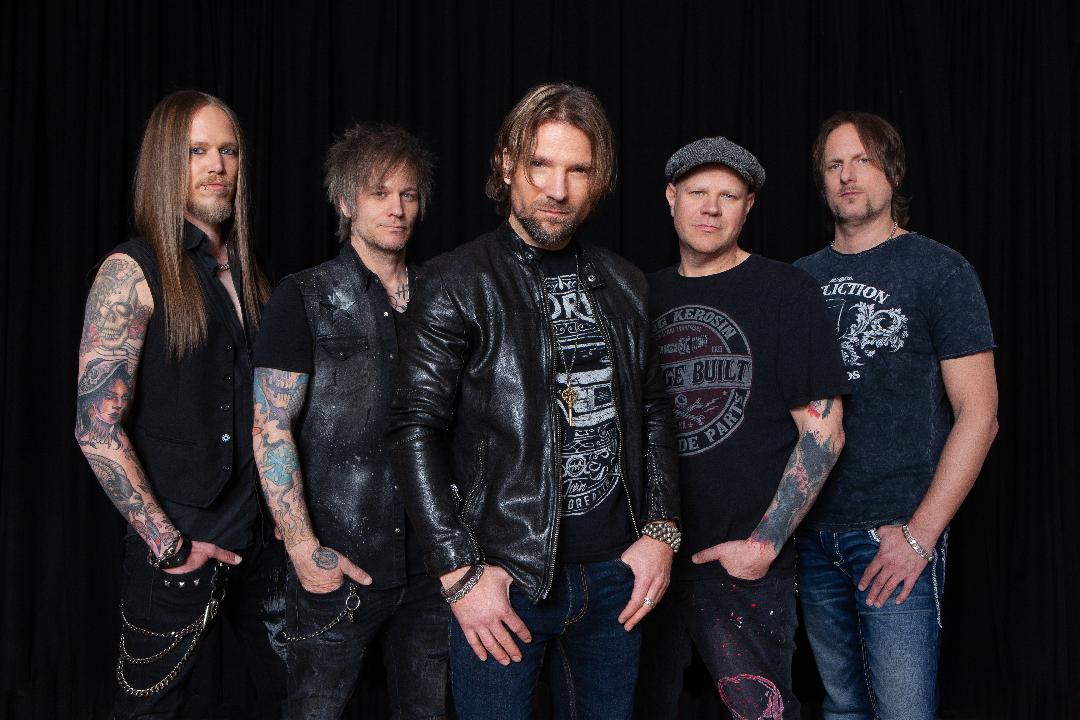
Copyright by Vera Friederich (Timmy Rough, center)


Published: Jan. 2026 | Reading Time: 16 minutes | For Musicians, Promoters, Rock Fans & Event Organizers

From pub stages to fronting German rock quintet The New Roses, troubadour Timmy Rough hones in on his unfiltered rise, making his mark in the music industry.

Table of Contents:

Part 1: From Starting Small to International Rock Royalty

Part 2: Breaking Barriers: Touring Realities and the Global Rock Scene

Part 3: Turning Suboptimal Circumstances into Unforgettable Live Performances

Part 4: Voice, Vulnerability and the Benchmark for Success

His musical inspirations:

  • Country Music
  • Bruce Springsteen

Part 1: From Starting Small to International Rock Royalty

From the comfort of his home studio in Germany, Timmy Rough, singer/songwriter and frontman of The New Roses, clicks on a Zoom link. He’s taking a short break from recording the band’s upcoming studio album.

His face appears on screen. He’s unshaven and wearing a cap backwards. He smiles politely, reassuring a music journalist thousands of miles away with his husky accent that she has nothing to worry about — time can run over if need be.

It seems as if two worlds have collided. The music journalist adjusts the screen of her laptop. She’s sitting on a cozy chair in Orange County, Calif., as Rough explains the challenges his band faces when asked if The New Roses plan to tour The States.

The Big Question

“If an American band tours in America, why would [they] take a European band on the road?” he pointed out. “Logistically, it’s so much easier to just take an American band with you or even have local bands open up. That’s what happens a lot of times. You know, they’re playing in Texas, they get a Texas band. If they’re playing in Florida, they get a Florida band.”

Rough thought for a moment.

You can’t just say [to KISS], ‘Hey — when are the US dates?’ because they have big names opening in the US. It’s very difficult to get those slots even when they’re in your own country, you know?

Often, Rough relives unforgettable memories from life on the road in Europe.

“We were very fortunate to open for the Scorpions and KISS,” he said, remembering the experience fondly. “We toured with Black Stone Cherry and Foreigner and all of those guys. Those opening slots are like a currency. It’s like, ‘You owe me one so I put my band on this slot next time’ and stuff like that. Those slots are not just for the best band. It’s not like the biggest potential gets the shot.”

Although a tour in The States isn’t yet in the works, Rough, who enjoys country music and all things Bruce Springsteen, remains hopeful.

“We haven’t planned anything,” he said. “I spend a lot of time in The States, and I’ll be in The States next week for Christmas and New Year’s in Florida. I love the country, I love the people, and I especially love the diversity of the music.”

How youbloom Can Help

Rough is thankful for platforms like youbloom that aim to close geographical barriers, making live music more accessible for all.

“There’s so many of us out there who don’t get the chance to [expose] their music to their main target group,” he admitted. “To have a platform, I suppose, where people that like a certain kind of music can just login and get updates like, ‘Hey, you might like this or you might like that and here’s tickets and here’s the videos and everything so you can find your bands much faster’ is a good idea.”

Rough is optimistic that youbloom will assist The New Roses in reaching fans outside of Europe.

“When people get together and team up for a certain thing, it’s always fantastic,” he said, exuberantly. “Any kind of movement you start is always a good sign of, ‘Hey, we’re still here, rock music still matters, and we still want new artists.’”

Drawing a Parallel

Rough compared youbloom’s mission statement to a similar movement in Europe.

“We have this thing in Europe — they call it The New Wave of Classic Rock. It’s a UK group and they do kind of the same thing,” he shared. “They team up and they have a Facebook page and everything. They just spread the word, and they did this multi-artist kind of record. They put their favorite newcomer bands on it and then they walk around at concerts and hand it out to people so that they can listen to that stuff.

Rough says it isn’t about money.

“They’re not making any profit off of that stuff. They’re doing it for the love of music,” he said.

Part 2: Breaking Barriers: Touring Realities and the Global Rock Scene

Artist Development

These days, Rough admits many record companies are failing at artist development.

“It’s not like, ‘Hey, we got this new artist and we’re gonna spend tons of money on advertising or putting them on the road with big names,” he said. “That’s not happening anymore. The band has to find their own way to get recognized.”

The Creative Landscape

Rough is thankful for additional platforms putting in the time it takes to shift the creative landscape.

“It’s always a great sign to meet people that say, ‘I’m not making any profit. I’m just trying to spread the word. I’m just trying to give people the chance to [hear] bands that I really enjoy and I want people to [experience] the same joy as I do,” he said. “Maybe one of those radio stations or one of those blogs doesn’t make the difference but if you see how many interviews I give when I promote a new record and how many smaller radio stations and platforms I talk to, I’m pretty sure in the end that it makes a difference. If you would take all those components out of the equation, I would say there would be a big chunk missing.”

Human Juke Box

Before signing with independent label, Napalm Records, alongside his New Roses bandmates — drummer Urban Berz, bassist Hardy W. Heart and guitarists Norman Bites and Dizzy Daniels — Rough earned thick skin performing in pubs with an acoustic guitar.

You’re like a living juke box. Sometimes they treat you like a superstar and sometimes they treat you like a thing, like an object.

Rough looked up.

“You learn that it has nothing to do with you,” he said.

By the time Rough formed The New Roses, he had already played 1,000 shows for more intimate audiences.

“You do the same show every night,” he began. “Sometimes it goes great and sometimes it sucks. Sometimes people are nice and sometimes people are rude. Sometimes you make a lot of money and sometimes you make no money at all.”

Part 3: Turning Suboptimal Circumstances into Unforgettable Live Performances

The Elephant in the Room

Rough says performing in pubs taught him how to deal with suboptimal circumstances.

“The best way to deal with suboptimal circumstances is humor,” he said. “We call it, ‘calling out the elephant in the room.’ That’s my strategy always. If we play a show and there’s not a lot of people there, of course the crowd recognizes there’s not a lot of people there.”

Rough reflected on a show The New Roses played in England. An estimated 35 people were in attendance.

“I remember that night,” he said. “I took the acoustic guitar out, unplugged it, and just sat down in the middle of the audience and played it [without an amplifier].”

Rough smiled.

“If you go out and try to pretend that the house is full and you play the same show and do the same moves and do all these things you do when you’re opening for KISS in front of 15,000 or 20,000 people, you make a fool out of yourself,” he admitted. “What I do is I go out and I call out the elephant in the room. I say, ‘Wow — this is very cozy in here tonight. Let’s all get up here on stage. I bet I could fit all the people in the crowd onto the stage.’ What started as a suboptimal circumstance turned out to be something that the audience of that evening will never forget.”

Engaging with Audiences

Rough isn’t shy about having fun on stage, imagining how it must have felt for one special fan.

“I actually danced on stage with the band [that night],” he said, putting himself in her shoes. “It was so cool, and they handled it so well. They were so nice.”

Rough added, “I guess, to move toward the difficulties and call them out and use them as fuel for the show is always, in my experience, better than trying to pretend it’s a fantastic event or maximum audience or whatever. If the lighting is shit, I call it out. If the sound is shit, I call it out. I try to use it as fuel for the show.”

Regardless of whether it’s 35 people or 35,000 people in attendance, Rough cares deeply about his craft.

“You know, of course you try always to win the evening or win the audience, so I don’t wanna come across as someone who doesn’t give a shit,” he confessed. “I care a lot about winning the evening, about winning the audience, making everybody happy and satisfied.”

For Rough, flexibility is the key.

“You have to be open and flexible on how to achieve that goal. You can’t do it with the show itself,” he said. “Maybe something is wrong. Maybe the audience is very small, or the lighting is shit or whatever. You have to find another way. You always have to be open and flexible to make the audience feel special and remember the night as something that was worth the money.”

From Troubled Teen to Sophisticated Songster

Although Rough is a college-educated musician — the saxophone is the first instrument he learned — he says he wasn’t always grounded in his passion for playing music.

“[As a kid], I was always in trouble and I was not going to school,” he said. “Every day, the school called my parents because I wasn’t there or I did something stupid. I was brought home by the cops many times [for doing something]. I never like punched anybody. I was never mean. I was always just an idiot. Never trying to hurt anybody, but always in trouble, silly trouble.”

Discovering music was the turning point for Rough.

“When I discovered music, it was the first time that I was drawn to something, you know? It was like a magnet,” he said. “I didn’t even recognize that I was practicing. It didn’t feel like practicing or learning like, I don’t know, history for the next test in school. It didn’t feel like this. It was like time passed by so fast. It was six hours, seven hours, eight hours of playing the saxophone. I was spending [every day] in my room practicing and playing, listening to records and trying to hear what was being played.”

When asked what he feels is the most overrated quality in a performer, Rough remains skeptical.

“If you’re a Bruce Springsteen kind of guy like me, you know, I’m more [into] street clothes, but I’ve met a lot of people that are more like David Lee Roth and they’re doing a great job,” he said. “They couldn’t do what I do, and I couldn’t do what they do. I wouldn’t say it’s something overrated if you do what you do very [well]. It doesn’t matter what it is if you’re awesome — a great guitar player or a storyteller, a songwriter or whatever. Whatever quality you have, if you take it as far as you can, you have a right to show it to people.”

As for Rough’s superpower on stage, he says it’s his voice. Impressively, the songster has a three to four octave range.

I wouldn’t say I’m a Dave Grohl kind of person. I don’t have [his] presence and I’m not that loud. I’m pretty introverted. I go out on stage, and I try to sing as good as possible.

Rough’s on-stage persona is a package of powerhouse pipes and good, clean fun.

“Art and creativity are presented in many ways and many times, it’s a combination of things,” he said. “It’s the way somebody writes songs and sings the songs, so if you hear a Johnny Cash song, he’s a terrible singer on paper but nobody can sing his songs the way he did. Nobody can sing the Bob Dylan songs the way he sang them. That’s great. It’s a gift to have this. I would argue that Johnny Cash had maybe just one octave of range which is nothing special. People like me or Chris Cornell have like a three to four octave range, [which] is very rare and it can impress people or take them on a journey. If you only have one octave like Johnny Cash, you can still make it, bring people to tears, make them believe your stories or engage in any way with your music. It’s a great gift.”

Rough doesn’t deny the talent that has come from casting shows on television — “American Idol,” “The Voice” and “X Factor” to name a few. He admits, however, that many solid artists in the music industry wouldn’t stand a chance in those formats.

“It’s one thing to have those programs and maybe stumble upon a couple of great musicians — Michael Bublé, Adele or Carrie Underwood or something, but if you were to just depend on that thing only and say that all the other people are not worth taking a look at, I would totally disagree,” he said.

Rough added, “For a lot of artists, it’s the sound, the voice, the look, the story and the song. It’s the whole thing. It’s the whole package.”

Rough paused.

“I think every artist has something to offer and that isn’t always visible at the first glance,” he said, throwing in his two cents.

Part 4: Voice, Vulnerability and the Benchmark for Success

An Album on the Way

As for his personal and professional motto, Rough laughed.

“It can’t be bad to be good,” he said with a twinkle in his eye.

Rough gave die-hard and casual listeners alike insight into The New Roses’ upcoming album.

“So far, it looks like it’s gonna be a little more classic rock than the last one [Attracted to Danger],” he said. “The last one was pretty rough, pretty hard rock and [featured] a lot of distorted guitars and a lot of meaner riffs and stuff. It can still change, but from the material that I have at the moment, I would say it’s a little more classic rock. It’s a little more like the ‘Nothing But Wild’ record.”

Expressing Gratitude

Additionally, Rough and his bandmates are appreciative of their loyal fanbase.

“We appreciate people spending their time with us,” Rough said. “Time is a very valuable thing and to know that right at this moment as we’re talking, somebody is driving in their car or working out in the gym or whatever, having a party at their home, a birthday party or something and they’re listening to our music, [it’s great].”

Rough beamed.

“It’s a great feeling to sit down in my small studio here and write a song and the next thing you know, people from all over the world can say like, ‘Hey! That song was played at my wedding’ or ‘That song was played at [my dad’s funeral]’ or ‘I play this when I drive in the summer and we’re at the lake,’” he said. “I know so many stories from people who say, ‘I did this road trip to Australia and that song was on 24/7! I have so many great memories of that trip when I hear that song.’”

Rough considers how songs not only travel the world, but travel through people.

“You get the song back charged with all these stories,” he said.

When the first chord of “All I Ever Wanted” set sail inside fan Patricia Marie’s eardrum, she knew Rough was a force to be reckoned with.

“I find The New Roses frontman Timmy Rough to have a strong stage presence,” she gushed. “A rock star with a touch of country in his voice. Just enough gravel in his voice to pull you in, whether it’s screaming lyrics or soothing love songs. He’s mesmerizing!”

Rough’s uncanny ability to make sense of his surroundings weaves throughout his music.

“Every headlight tells a story, every face passing me by, there’s a million lights before me and a touch of perfume in the evening sky,” Rough sings. “I brush the shoulder of a young man, I hear a distant slamming door. An old lady’s searching trash cans and I wonder who she was 20 years ago.”

Perhaps it’s the grungy, greasy-haired rock and roll performed inside an antique ballroom with a crystal chandelier — The New Roses music video for “My Kind of Crazy” hailing from the band’s 2022 release, “Sweet Poison.” It begins as Rough swings open cotton candy-colored doors with yellow gold and white trim. Moments later, he’s singing, “The taste of Heaven and danger right upon my lips, I wanna lick a little poison off my fingertips.” He’s wearing a maroon shirt unbuttoned and revealing an array of chains around his neck. No matter what the setting is, his demeanor is calm yet confident.

The Man Behind the Music

Off-stage, Rough is a father of two children.

“I’m a father, which is the most important thing for me,” he said. “I’m not advertising that, but if you [were to] ask me, ‘What defines you?’ I would say, ‘Being my children’s father is the most defining thing for me or the most important thing. I put a lot of energy into improving being a good father, you know?”

Rough is often seen wearing a rosary without a cross around his neck.

“That was a gift from a friend, so it didn’t have a particularly spiritual [meaning] for me, but I’m very interested in many things that widen your horizon,” he said. “From my experience, it kind of narrows the lessons that you can learn if you judge right away whether you believe [something] or not. You can just spend some time with it and listen and think about it and sometimes one thought or the other goes through your conscience and leaves a mark.”

Rough’s punchline statement is strong.

I try to live like I believe. I don’t really question, ‘Do you really believe in some sort of god?’ I think it can’t hurt to assume, pretend so to speak, like, ‘Hey — let’s just assume that we all get judged.’ So, I try not to fuck up and be a good person.

Rough occasionally reflects on Western Christian society.

“I would say all of our fundamental behaviors are based on one book [The Bible],” he said. “It took me a while, but then it crossed my mind and [I thought], ‘Hey, everything you know and what you believe, your whole society that you know is based on that book so you should probably just read it at least one time and find out, ‘What is it? Why is this book so famous and how could it stand the test of time?’ It’s a very interesting book.”

For more information, visit The New Roses official website.

Related reading: The Ultimate Concert & Live Show Planning Guide: Pre-Event Preparation Essentials.
Filed Under: Artist Discovery, Artists, Fans, Featured Artist, Global Music Village, Independent Musicians, Interviews, Live Music, Music Advice, Music Industry, Music Promotion, Require Authorization Page, Uncategorized, youbloom Official Tagged With: band interview, band promotion, bands, featured artist, featuredartists, independent artist, independent artist advice, independent musicians, interview, lead singer, live music, music advice, music blogs, music industry, music scene, musician, stage presence, tips for artists, vocals, youbloom

The Ultimate Concert & Live Show Planning Guide: Pre-Event Preparation Essentials

24-Jun-2025 By Faye Wang

Published: June 2025 | Reading Time: 8 minutes | For Musicians, Promoters & Event Organizers

Planning a successful concert or live show requires months of strategic preparation, careful budgeting, and smart marketing. Whether you’re organizing an intimate acoustic set at a local coffee shop or a full-scale rock concert at a major venue, this comprehensive guide will walk you through every essential step of pre-event planning to ensure your show rocks the house and leaves fans wanting more.

This is Part 1 of our 2-part concert planning series. Part 2 covers event execution, day-of coordination, and post-show analysis.

Table of Contents

  • Step 1: Define Your Show’s Vision & Goals
  • Step 2: Master Your Budget Like a Pro
  • Step 3: Find the Perfect Venue for Your Sound
  • Step 4: Build Buzz with Smart Marketing
  • Pre-Event Planning Timeline

Step 1: Define Your Show’s Vision & Goals

Know Your “Why” Before You Plan Your “How”

Every legendary concert starts with a clear vision. Are you launching a new album, building your local fanbase, or creating an unforgettable experience for your community? Your core objective will shape every decision from venue size to ticket pricing.


Primary Goals to Consider:

  • Revenue Generation: Covering costs and making profit
  • Fan Engagement: Building deeper connections with your audience
  • Brand Building: Establishing your reputation in the local music scene
  • Network Expansion: Connecting with industry professionals and other artists

Write down your top 3 objectives and rank them by priority. This clarity will guide you through tough decisions during the planning process.

Define Your Target Audience

Understanding your audience is crucial for concert success. Consider these key demographics:

Age Range: Are you targeting college students, working professionals, or music enthusiasts of all ages? This affects venue choice, ticket pricing, and promotional channels.

Music Preferences: What genres resonate with your audience? Even within rock, country, or electronic music, sub-genres attract different crowds with varying expectations.

Geographic Location: Local shows require different strategies than regional tours. Consider transportation, parking, and regional music preferences.

Spending Power: College towns have different economic realities than urban professional areas. Price your tickets accordingly.

Set Realistic Attendance Goals

Base your attendance projections on concrete data rather than wishful thinking. Research similar shows in your area, analyze your current social media following, and consider seasonal factors that might affect turnout.

Factors Affecting Attendance:

  • Your current fanbase size and engagement levels
  • Local competition (other events on the same date)
  • Venue capacity and location accessibility
  • Ticket pricing and value perception
  • Weather considerations for outdoor venues

Start conservative with your projections. It’s better to sell out a smaller venue than to have empty seats at a larger one.


Step 2: Master Your Budget Like a Pro 

The 50/30/20 Concert Budget Rule

Smart concert organizers follow this proven budget allocation:

50% – Venue & Production Costs

  • Venue rental and deposits
  • Sound system and lighting equipment
  • Stage setup and technical crew
  • Security and insurance requirements

30% – Marketing & Promotion

  • Social media advertising campaigns
  • Print materials (posters, flyers)
  • Radio spots or music blog features
  • Influencer partnerships and street teams

20% – Contingency & Miscellaneous

  • Emergency fund for unexpected costs
  • Last-minute equipment rentals
  • Additional staff if needed
  • Post-event expenses

Revenue Streams Beyond Ticket Sales

Diversify your income to maximize profitability and reduce financial risk:

Merchandise Sales: T-shirts, albums, and branded items can generate 15-25% of total revenue. Plan for display space and payment processing.

Sponsorship Opportunities: Local businesses often sponsor concerts for brand exposure. Offer package deals including logo placement, social media mentions, and VIP experiences.

VIP Packages: Create premium experiences with meet-and-greets, exclusive merchandise, or reserved seating areas.

Food & Beverage Partnerships: Some venues offer revenue sharing on concessions, especially for events you’re promoting independently.

Cost Control Strategies That Actually Work

Negotiate Everything: Venue rates, equipment rentals, and promotional services are often negotiable, especially for repeat bookings or off-peak dates.

Leverage Partnerships: Team up with other local artists for shared costs on sound equipment, marketing materials, or promotional efforts.

DIY Smart: Handle tasks like social media management and poster design yourself, but invest in professionals for critical elements like sound engineering.

Track Every Dollar: Use budgeting apps or spreadsheets to monitor expenses in real-time. Small costs add up quickly in event planning.


Step 3: Find the Perfect Venue for Your Sound

Venue Types and Their Unique Advantages

Music-Specific Venues

  • Clubs, bars, and dedicated music halls
  • Built-in sound systems and lighting
  • Established music audiences
  • Often have promotional partnerships

Alternative Spaces

  • Art galleries, warehouses, and outdoor spaces
  • Unique atmosphere and Instagram-worthy backdrops
  • Often more affordable than traditional venues
  • Require more planning for acoustics and logistics

Community Venues

  • Schools, community centers, and churches
  • Great for family-friendly or acoustic shows
  • Often support local music initiatives
  • May have restrictions on volume or content

Essential Venue Evaluation Checklist

Capacity & Layout

  • Does the space comfortably fit your expected audience?
  • Is there adequate space for stage setup and equipment?
  • Are sight lines good from all areas?
  • Is there room for merchandise tables and mingling?

Technical Capabilities

  • What sound and lighting equipment is included?
  • Are there adequate power outlets and electrical capacity?
  • Is the acoustics suitable for your music style?
  • Is there space for band equipment and setup?

Practical Considerations

  • Parking availability and cost for attendees
  • Public transportation accessibility
  • Loading dock access for equipment
  • Green room or space for performers to prepare

Licensing & Regulations

  • Necessary permits for live music and alcohol service
  • Noise ordinances and time restrictions
  • Insurance requirements and liability coverage
  • Health department regulations if serving food

Venue Negotiation Tips

Book Smart Dates: Weeknight shows or off-season dates often come with reduced rates and more flexible terms.

Multi-Show Deals: Propose a series of concerts for better rate negotiations and reduced booking fees.

Revenue Sharing: Some venues prefer percentage-based deals over flat rental fees, which can reduce upfront costs.

Value-Added Services: Negotiate included services like basic lighting, security, or promotional support as part of your rental agreement.


Step 4: Build Buzz with Smart Marketing 

Create Your Concert Brand Identity

Your show needs a visual identity that stands out in crowded social media feeds and venue listings. Develop consistent branding across all promotional materials.

Visual Elements:

  • Logo or show artwork that reflects your music style
  • Color scheme that works across digital and print materials
  • Photography style for promotional images
  • Typography that matches your musical genre and audience

Messaging Strategy:

  • Craft a compelling event description that highlights unique aspects
  • Develop hashtags that fans will actually use
  • Create shareable content that tells the story behind your show
  • Focus on the experience and emotions, not just the logistics

Digital Marketing Channels That Convert

Social Media Strategy

  • Instagram: Behind-the-scenes content, venue photos, countdown posts
  • Facebook: Event pages, targeted ads to local music fans
  • TikTok: Short performance clips, rehearsal footage, venue tours
  • Twitter: Real-time updates, engagement with local music community

Email Marketing

  • Build an email list from your current fanbase
  • Create anticipation with exclusive content and early ticket access
  • Send venue-specific information and parking details
  • Follow up with thank you messages and future show announcements

Local Music Scene Engagement

  • Connect with local music bloggers and podcast hosts
  • Partner with other bands for cross-promotion
  • Engage with venue’s existing social media community
  • Participate in local music forums and Facebook groups

Traditional Marketing That Still Works

Physical Promotion

  • Strategic poster placement in high-traffic areas
  • Flyers at complementary businesses (record stores, coffee shops)
  • Street team promotion at related events
  • Radio station partnerships and on-air interviews

Community Partnerships

  • Collaborate with local music stores for ticket sales
  • Partner with nearby restaurants for pre-show dining deals
  • Connect with local music education programs
  • Engage with community event calendars and newsletters

Marketing Timeline for Maximum Impact

8 Weeks Before: Announce the show, create event pages, begin building anticipation

6 Weeks Before: Launch ticket sales, intensify social media campaigns, secure partnerships

4 Weeks Before: Ramp up advertising, confirm all promotional partnerships, engage local media

2 Weeks Before: Final promotional push, confirm all logistics, prepare day-of-event materials

1 Week Before: Last-minute reminders, share venue information, build excitement for show day


Pre-Event Planning Timeline

12-16 Weeks Before Show Date

  • Define show objectives and target audience
  • Set preliminary budget and attendance goals
  • Begin venue research and site visits
  • Start building your promotional timeline

8-12 Weeks Before Show Date

  • Finalize venue booking and contracts
  • Confirm budget allocations and revenue streams
  • Begin marketing material creation
  • Set up ticketing systems and payment processing

4-8 Weeks Before Show Date

  • Launch marketing campaigns across all channels
  • Secure sponsorships and partnerships
  • Finalize technical requirements with venue
  • Begin ticket sales and track early response

2-4 Weeks Before Show Date

  • Intensify promotional efforts
  • Confirm all vendor contracts and details
  • Prepare for day-of-event logistics
  • Create emergency contact lists and backup plans

What’s Next?

You’ve now laid the groundwork for a successful concert with clear goals, solid budget planning, the perfect venue, and a killer marketing strategy. But the real magic happens on show day and beyond.

Coming up in Part 2: We’ll cover everything you need for flawless event execution, including day-of coordination, managing your team, handling unexpected challenges, and post-show follow-up strategies that turn one-time attendees into lifelong fans.

Ready to bring your vision to life? Start with these pre-event essentials, and you’ll be well on your way to creating a concert experience that rocks your audience and builds your reputation in the music!

Filed Under: Artists, Featured Artist, Independent Musicians, Music Promotion Tagged With: band promotion, concert planning, concert promotion, entertainment planning, event management, event marketing, live music events, live show, Music Business, music industry, music venue, musician resources

Making Money Online From Your Music

11-Jun-2020 By Leave a Comment

Zac Green shares with you some practical tips for making money online from your music. The stereotype of ordinary musicians being constantly broke is still floating around. This by itself is bad enough, but what’s worse is how much it discourages young musicians from fully pursuing their creative dreams.The truth is that not only is it possible to make money from music, but the technology we have now means that making money online from your music is so much easier than it ever has been in the past.

Licensing

Creating music for use in soundtracks is a great way to turn instrumentals and music that doesn’t fit your usual genre into an extra source of income. Indie music licensing is growing more and more as film, tv and commercial producers are looking further afield.

Tutorials

If you’ve been spending years or even decades mastering your instrument, why not show others how to get to where you are now? All you need is a good quality camera and a microphone, which you may already have. Both are relatively inexpensive. Plus, with ad revenue from sites such as Youtube.com they can quickly pay for themselves.

Ghostwriting

Much like being in a supermarket, music can be a ‘cash or credit’ situation. You can either take credit for your work, or take cash. Once you’ve developed a bit of a following you can take both, but it’s nice to know you can start getting paid very quickly by writing music for others to perform. This is incredibly common in the music industry, and many of the biggest music stars actively use ghostwriters.

Mastering

Finding somebody who can master a track or even an entire album is easier than ever thanks to websites such as Fiverr and other platforms that allow people with different skill sets to collaborate. By mastering music for a fee, you can make a very healthy income and build a formidable skill set at the same time.

Digital Sales

This can either be through your own website, or through a third-party such as iTunes. Be aware that third party retailers will take a commission of the total price, which can be quite high.To get the most exposure, make sure you gather a few favourable reviews from friends, family and anybody else you can persuade. This will dramatically increase your chances of selling online to people who may have never heard of you before.

High quality artwork

I know, I know. You’re a musician so why should you care about how the album looks? However, you’re missing a great opportunity to show off your band’s aesthetic with a visual representation as well as having a bit of fun. High quality, interesting artwork is also much more likely to catch somebody’s eye as they flick through all of the music available to them – so it translates to more sales and downloads too.

Crowdfunding

You don’t have to work 8 hours a day at a job you don’t want just to fund your music, nor do you have to persuade a record company. Instead, take your music public from day one and encourage others to chip in to help take it from a concept to a polished album or single. Online crowdfunding platforms such as Kickstarter or Gofundme are excellent for this.

Podcasting

Doing guest appearances on internet radio shows and podcasts is a great way to boost your profile. Just like a normal radio show, being part of an interview or doing a live performance is a great way to reach a massive audience without having the hassle of building one from scratch. Be sure to let the listeners know where they can find your music online for download or streaming.

Micro-producing

Instead of creating whole tracks, create tiny snippets of music. This can be in the form of loops, sound effects and samples. Developing new content for other music producers is much more exciting now thanks to user-to-user online marketplaces being supported by DAW developers. You can get in on the action in tons of different ways. Everything from programming brand new VSTs to making presets.

By now you should be feeling much more confident about having a career in the music industry. Whoever told you that you can’t make money online from your music was wrong.

youbloom is a platform that helps you as an artist to grow, sign up here and find out more: https://www.youbloom.com/artist-apply/

If you enjoy this blog about music and want to know more about youbloomConnect be sure to follow us on Facebook, Twitter or Instagram.

Zac Green is chief editor of popular music blog ZingInstruments.com. He believes that music isn’t just a thing you do – it’s a mindset, an attitude, a way of life.


Filed Under: Artists, Music Advice, Music Industry Tagged With: how to promote your music, independent music promotion, independent musicians, music, music industry, music industry careers, music industry jobs, musician, self promotion, tips for artists

Independent Artists: Build An Online Community Of Fans

05-Apr-2020 By Leave a Comment

Times are tough, and it’s all easier said than done but hey, who said it can’t be done! The biggest blessing today is access to the internet: a free-for-all platform to express and showcase our talent. That spectacular Instagram page you’ve created for your band is a gold mine that can foster an online community around your music. All you need to do is share your social media handles with as many people around you as possible, and encourage them to share your socials with their friends and like-minded people around them. Gradually, you’ll begin to see the snowball effect doing its trick. Read on to know how to spruce up your pages.


Make a playlist of all your best songs

Music fans LOVE to discover their next musical obsession. Here’s your chance to capitalize on that. After all, you deserve to be discovered! Create that awesome playlist of all your best songs. Spotify it, YouTube it and share it on the social media handles you’ve been developing. Feed your online community with the power of your music, because they need to hear you. Remember, fans take great pride in discovering cool new music every day.

Go live with your rehearsal today 

Rehearsing at home today?  Pull out of your phone, hit live on Facebook and play the songs you want your online community to see. Give them a real-time experience to know what you sound and look like! Believe in the music you’re making, and make your community experience that euphoria in you. Chances are that there’s an agent or a host somewhere in your local scene looking to book the next best talent. You ARE that talent.

 A DIY photoshoot is all you need: hello Instagram!

Here’s the fun part: ALL you need is a smartphone, literally, just that. This is especially easy nowadays where most smartphones come with great cameras. Find a great location in your house ( backyard maybe?), do your shoot and post those pictures on your Instagram. Don’t forget to use the stories feature for behind the scenes footage and bloopers. It’s your time to shine!

Get in touch with bookers online for future shows: Facebook has you covered!

Every venue has a designated booking agent, and every venue has a Facebook page. The easiest way to reach out to local venues is to look through their bio and find their contact information. Shoot them an email with your social media pages. The reach you have gained over time will now pay off, bookers love acts with a good online following.  Go out there and chase it.

Sign up as a Fan today with youbloom: https://www.youbloom.com/request/

Filed Under: Artists, Independent Musicians, Music Industry, Music Promotion, Uncategorized Tagged With: Facebook Live, independent artist advice, music blogs, music industry, music promotion, Online Community, Online Gigs

Independent Artists: Internet Helps Bypass Gatekeepers

02-Apr-2020 By 1 Comment

The internet is a sea of opportunities if used optimally, and more so for emerging and independent artists. If you want to scale up and expand your reach, the internet is a great place to help you as an artist to bypass gatekeepers. An emerging culture of music streaming, as opposed to physical sales, has steered this ship in a direction where independent artists can freely carry out their artistic expression on social media platforms to attract an audience. Never before has it been this viable for alternative cultures such as underground music and art to surface and grow without necessarily having to budge for bodies of authority.  This blog post will discuss how you as an independent artist can bypass those gatekeepers. 

Use Facebook and LinkedIn to find Journalists to Write about your Music 

As a matter of interest, magazines and tabloids are in an unrelenting search for new content all the time. All it requires from you is that you make yourself visible to them on social media platforms such as Facebook and LinkedIn. To top it over, owing to the culture of a close-knit community, music journalists and music promoters will often work in conjunction. Not only would journalists write about you, but chances are that they might add you to their recommendation list to promoters. Though you’re busy writing the best music you can, it may be worth finding the time to make yourself heard on these social media platforms.

Follow Promoters on Twitter and Instagram

Promoters spend a lot of time on the internet, start following them TODAY. Start interacting with them, comment on their posts, establish a personal connection. Smart usage of the internet can help you secure gigs. 

Send Newsletters to your Fans and Promoters

Newsletterring is a very effective approach to maintain fan exclusivity and retention. The idea behind this exercise is to establish a very personal rapport with all parties involved, where you as an artist show how much you care for your fans. Imagine the sense of suspense and exclusivity that comes with being part of a secret gig around the corner. This sentiment can be created by advertising your show through newsletters to a selected list of your fans.

Use Online Communities to Spread your Music

Online communities are certainly a very crucial part of building online visibility. One of the ways to spread your music on digital platforms is to share your music with fellow musicians, which always creates a room for opportunity. Collaborating with similar artists is a great way to build your repertoire and Facebook’s communities feature makes this much more lucrative. Here’s a full blog post on building an online community of fans. 

youbloom is a platform that helps you as an artist to grow, sign up here and find out more: https://www.youbloom.com/artist-apply/

Filed Under: Artist Discovery, Artist Matching, Artists, CityRep News, Festivals, Independent Musicians, Live Music, Local Gig, Music Advice, Music Industry, Music Promotion, Tour, youbloom Official, youbloomDublin, youbloomLA Tagged With: gatekeepers, independent artist, music industry

  • 1
  • 2
  • 3
  • …
  • 13
  • Next Page »

Copyright © 2026 ·Parallax Pro Theme · Genesis Framework by StudioPress · WordPress · Log in

By continuing to browse this site, you agree to our use of cookies.