• Home
  • Blog
  • Start here
  • About us
    • Archive
  • Customer Support
  • Member login
You are here: Home / Archives for Global Music Village / Music Industry

Indie Artists: Be Your Own Booking Agent

27-May-2018 By Guest Blogger 3 Comments

Time to Drop the Booking Agent, Here’s How to Book Your Own Shows

No one knows better than an indie artist how frustrating and stressful it can be to book shows, tour, and perform. The struggle, when it comes to getting in touch with venues, managers and bookers, is quite real. Hiring a booking agent may seem like the easy answer, but if the royalties aren’t exactly flowing in yet, you might not be in the financial position to do this. What to do, then? Let’s not forget that we are the DIY generation, we do it ourselves. Here’s how to book your own shows.

Photo Courtesy of The Magnettes

Photo Courtesy of The Magnettes

Perhaps you’ve made a list of all the venues that would fit your music, sound, and style, and yet it’s nearly impossible to get them to give you a decent time slot. You will most likely get an 11pm weeknight spot or a 3pm Sunday afternoon one, and we all know that no one is going to miss brunch to catch your new band at what promises to be an empty, desolated venue.

When you ask for a better, higher profile slot, the booking agent usually says: “Well, how many people can you draw?”. If the answer is more than 20, then you’ve got yourself a Friday night show. However, if your response is anything less, you’ll have to wait patiently in line until your following is bigger.

Which brings us to our next point.


Book Others, to Book Yourself.

How is a band supposed to grow a fan base if the only shows they can play occur when people are watching Netflix or in a yoga class? Good question indeed. Those who manage to bring a good crowd are those who are either already established or have a lot of friends in town. Venues are not going to bet on a new indie artist nor are they looking for the next big act to feature before they blow up. Venues want to break even. They want to see the money they spend on a typical Friday night come back in full, and if possible make a little profit.

Be your own booking agent. Look for an equally unknown band that shares your ambitions, ethos, and sound and put a show together. Perhaps, pick a less reputable venue in your town; smaller and more intimate is ideal. Make sure you market the show as a party; a night to have some fun and enjoy some live music. Startups like Sofar Sounds have built a brand around this exact experience and platforms like youbloomConnect match local indie artists with one another, making it easy for bands to come together and book. 

Each band will bring their friends, and if you advertised the event properly, their friends will bring other friends looking for a fun night.

Play the show, distribute some t-shirts, have a beer and repeat.

One of two things will happen. You will either get a call from the bigger venues looking to book your band or you won’t need them anymore because your fan base has been growing without their help.

You should hope for the latter.

Photo Courtesy of The Magnettes

Photo Courtesy of The Magnettes

About the Blogger

Luca a freelance writer, blogger, musician and songwriter. Born and
raised in Italy, his passion for Rock n Roll made him move to London where he
lived for one year and gained a certificate in Songwriting from ICMP.
Luca relocated in NYC in 2014 to pursue jazz music and liberal arts at the
The New School from which he graduated in December 2017. Luca currently
resides in Nashville, TN
Filed Under: Artist Discovery, Artist Matching, Artists, Independent Musicians, Music Advice, Music Industry Tagged With: DIY, freelance, freelance musician, how to promote your music, independent artist advice, independent musicians, los angeles, music advice, tips for artists

Ask the Speakers – Introducing youbloomDublin Panel Speakers 2018

25-May-2018 By Robert Loustaunau Leave a Comment

Every year in June, artists, fans, and pioneers of the music industry unite for a weekend of live shows, guest speakers, and unforgettable experiences. This year, youbloom will be presenting a wide range of musicians, entrepreneurs, DJs, and producers to speak at the youbloom Summit held on Saturday June 2nd, held at the IMRO – Copyright House.

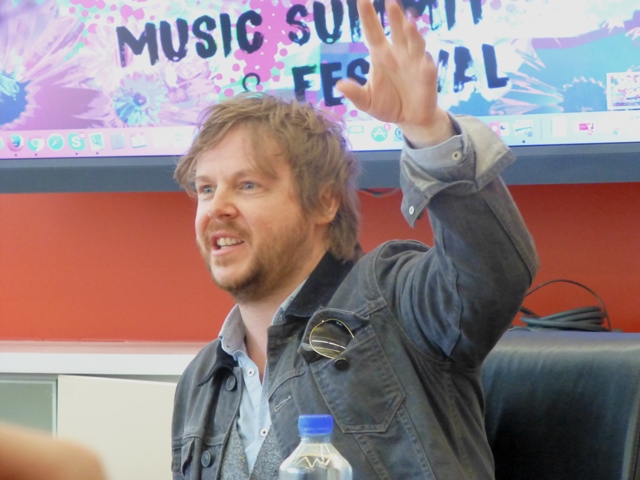
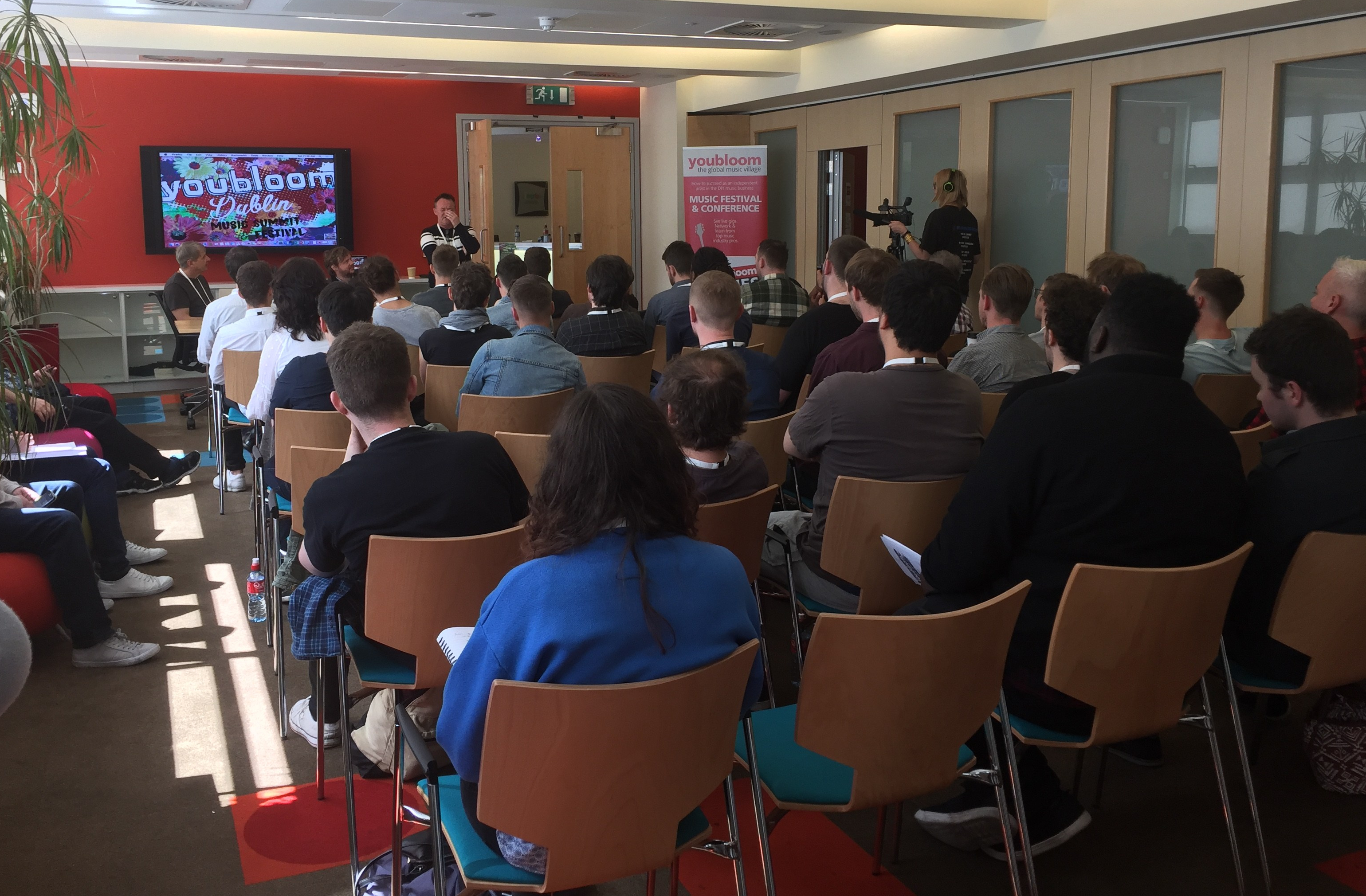
IMG_3214

youbloomDublin 2017 Summit

Figure heads will come together to discuss the turning tides of the industry while artists and audience will have the opportunity to dialogue with the speakers (and network) directly. We asked a few of these movers and shakers of the industry some questions we thought important to the indie artists of the world. Read on to see what they had to say. And make sure to check out our full lineup speakers as tickets to the Summit are still available. 


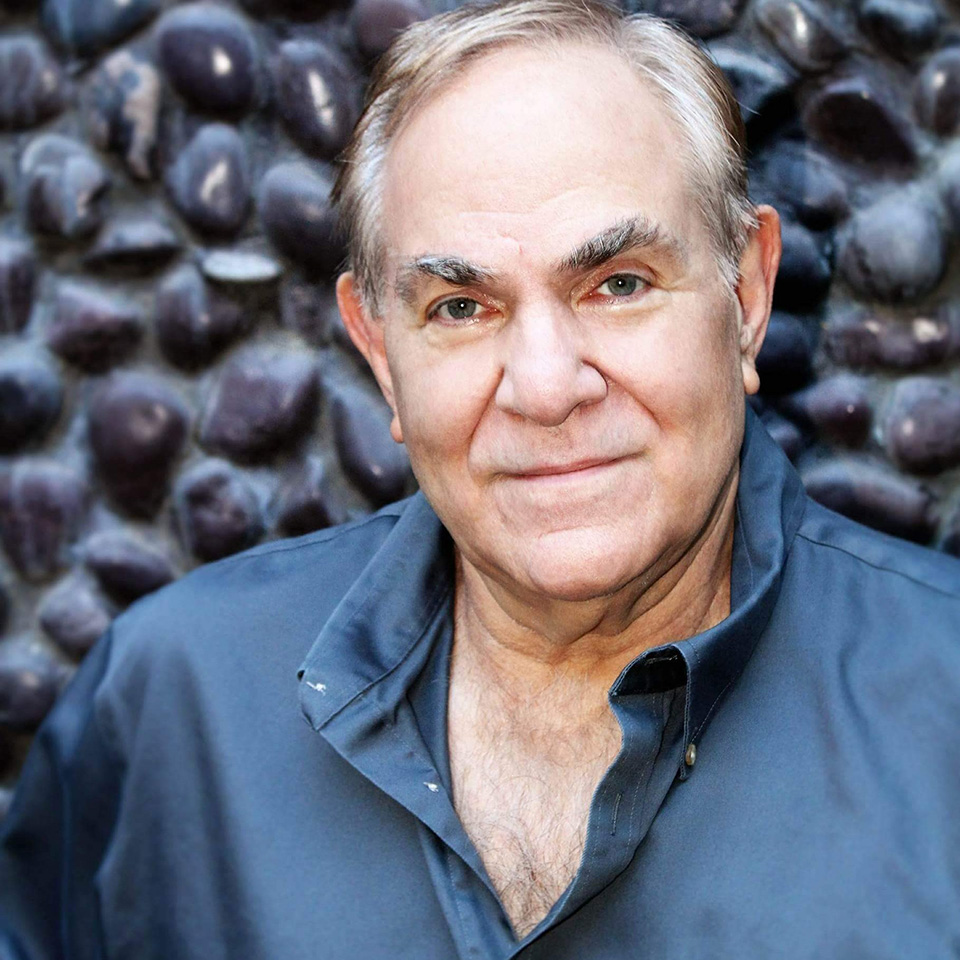
Ted-Cohen-960Ted Cohen (Keynote Speaker) A Sea of Gray Hats – How to use the system to change the system
Ted Cohen is Managing Partner of TAG Strategic. TAG is a digital entertainment consulting firm focused on creating strategic relationships, identifying market opportunities, growing brands and defining best practices for the entertainment, tech & mobile industries. Cohen was instrumental in crafting the licensing agreements upon which Rhapsody and the iTunes Store were built and has received the 2013 NARM Presidential Award, previously awarded to Ahmet Ertegun, & Dick Clark, among others.

What are the two most important things independent artists need to know, if they want to ‘make it’?

“We are no longer in a distribution economy, where getting your music available in a record store or played on the local radio station. We are firmly in the Attention Economy, where there is no barrier to getting your music out there. Your main objective now is to make your current and potential fans aware that your music is there and needs to be heard.”

“When using social media, you want to be a trusted resource/curator, not just a digital megaphone for your career advancement. Talk about the movies you like, books you’d recommend, and, yes, even praise other independent artists that are noteworthy. “

What do you think is the most valuable part of platforms/festivals like youbloom, for indie artists? 

“Ideally, everyone is constantly sharing with each other new ideas, new ways to grow their audience. When this happens, fans and artists are all enriched. “


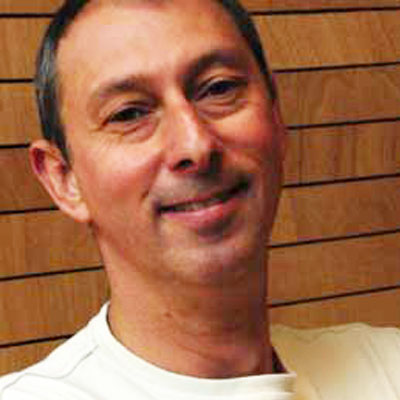
Steve-Lindsay-youbloom-speakerSteve Lindsey – How To Write A Hit – Inspiration or Perspiration
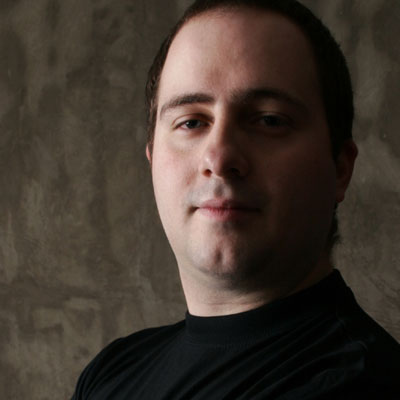
Steve entered the world of music publishing in 1985 as Professional Manager with Chappell Music in London (later Warner Chappell) and was appointed General Manager of Go! Discs Music in 1988. Steve Lindsey is managing director of Elevate Music, a Dublin based music publishing company. Elevate currently represents works by writers such as Cathy Davey, Aslan, Westlife, The Henry Girls, The Flaws and IFTA Award winning score composer Niall Byrne. Steve also sits on the boards of IMRO and MCPS Ireland.

What are the two most important things independent artists need to know, if they want to ‘make it’? 

“A) A deep understanding of social media and how to use it effectively. B) That nothing will come to you – you have to put yourself out there.”

What do you think is the most valuable part of platforms/festivals like youbloom, for indie artists?

“The knowledge and experience of the speakers is valuable but also is the interaction and sharing of knowledge with other developing artists.”


Peter-AstedtPeter Astedt – How to get the most out of Spotify
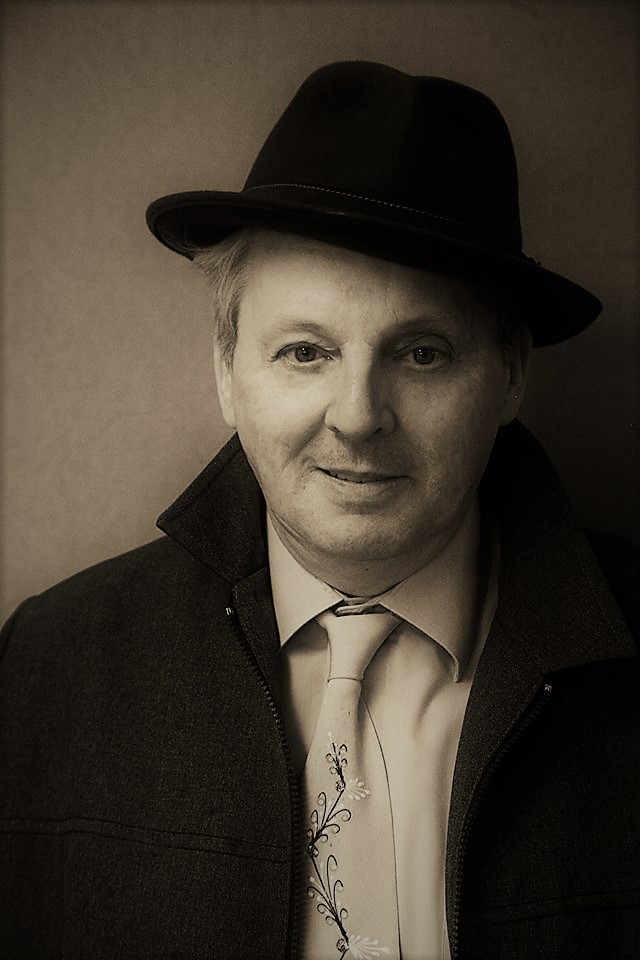
Peter has worked in the music industry for over 25 years. He started his own record label Dead Frog Records of the age of fifteen 1990. In 2008 he started the company Musichelp Sweden AB which is a service company for people/artists in the music industry. Over the years over 8000 artists has gone through his systems. Today Peter is a board member of SOM (Swedish independent music producers, the equality of AIM (UK) and A2IM (USA) and is a board member of Mbin (Music business independent network).

What are the two most important things independent artists need to know, if they want to ‘make it’? 

“To understand that you can’t do it yourself. You need a team. The good part you can choose your team members.”

What do you think is the most valuable part of platforms/festivals like youbloom, for indie artists?

“The opportunity to network and find people to fit your team. On top of that have the chance on the same day to show your product if you also play.”


Pete-Holidai-photoPete Holidai – Managing your career in the 21st century music industry
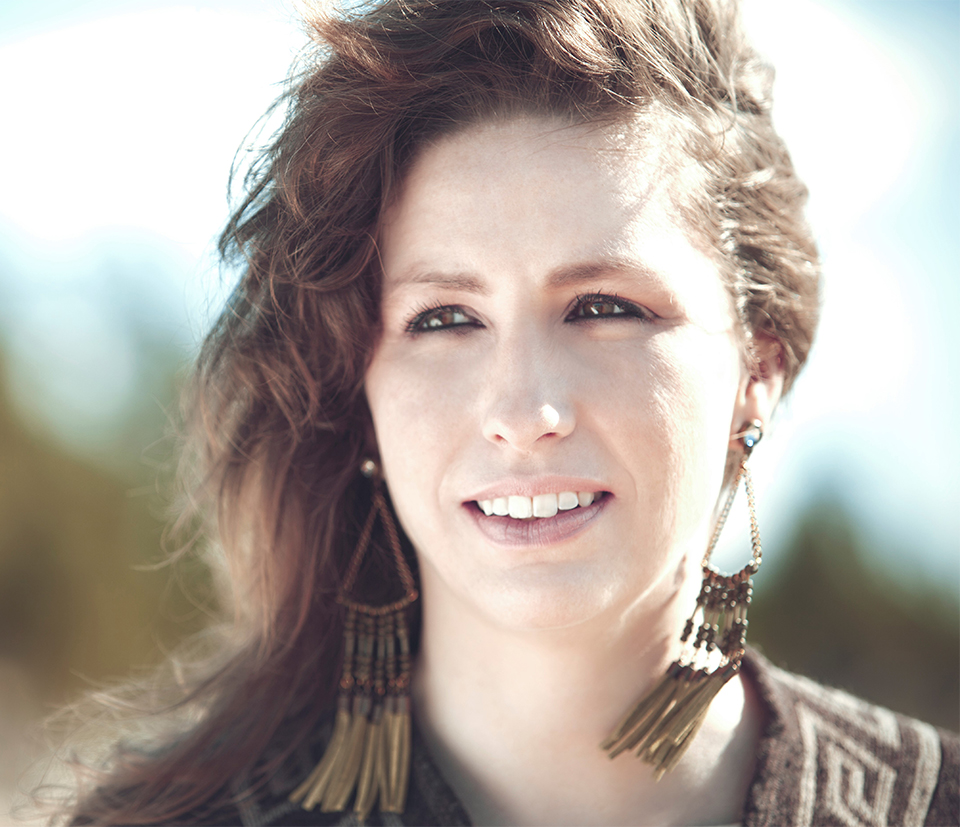
Pete was a founder member of The Radiators from space whose original line-up produced two albums for London based label Chiswick Records 1977’s TV Tube Heart and 1979s Ghostown which was produced by Tony Visconti. 

For many years Pete produced radio sessions for RTE 2fm’s Dave Fanning show, while also producing many emerging Irish artists which lead to a Smithwicks/HotPress award for production in 1991. Currently Pete is playing withTrouble Pilgrims along with original Radiators member Steve Rapid and long term member Johnny Bonnie along with bassist Bren Lynott and rhythm guitarist Tony St Ledger.

What are the two most important things independent artists need to know, if they want to ‘make it’? 

“Gathering knowledge and insight of current and future trends can help artist devise a critical pathway to establish a foothold in the industry and recognize the importance of networking and development of key partnerships.”


myla-hardie-960Myla Hardie – Live Touring & Production

Moving to New York City at an early age of 17, Myla formed her first band of original compositions, “The Myla Hardie Band.” Their album, “Waiting for Perfection” got them on the ballot for the Grammy nomination.

Now with 25 years of professional music experience on stage and off, Myla divides her time administering her family-owned, independent record label, Worldhaus Music, through which she represents four international artists and continues to perform in Brazil, Argentina, Europe and North America. 

What are the two most important things independent artists need to know, if they want to ‘make it’? 

1) “Never let the business get in the way of your music.” Meaning you should not make an album or write a song thinking of your business plan or how to market it first. The art should always come first and then the business that is meant to be your own will follow. Remember that the industry needs your unique voice to exist and prosper.”

2) “‘Stay in it to win it!’ Persistence and perseverance are the keys to success in the music business. There is no magic formula, it really is just hard work, dedication, having fun, personal relationships and staying around long enough to see your own network grow.”

What do you think is the most valuable part of platforms/festivals like youbloom, for indie artists?

“A couple of things, but the most obvious is that you have to show up. Being present and in people’s faces is the only way to make the personal relationships that you need to get anywhere outside of your own network of contacts. The exchange of experiences and just knowing that you are not the only one trying to do this, otherwise, pretty lonely venture has more value than any ticket price.

Also, the perspective shift that each may experience from a certain piece of information could change the way you see your direction at this moment or in your future in the music business. Then finally, just building a community of like-minded individuals together makes everyone stronger and the platform as a whole gain clout.”


Purchase Tickets to youbloomDublin 2019 Music festival & Summit


Oliver Cole

Oliver Cole at youblooDublin 2017


Filed Under: Global Music Village, Music Advice, Music Industry, youbloom Official, youbloomDublin Tagged With: dublin, Dublin music, festival life, indie music, Irish music, music, music advice, music industry, youbloom, youbloomDublin

How to Write a Grant Proposal for Your Music Project

24-May-2018 By Guest Blogger Leave a Comment

Hamlet-Sweeney

So you’ve got a great proposal for a music project, but how are you going to get it off the ground? Whatever this proposal contains and whatever music you’re planning to embark on, you’ll need the most important tools to get funding and this will come from a grant. A grant will take the financial load off of you and increase your chances of success.


If you have a good idea, you need good financial backing to get it off the ground. You may be creatively bright and your ideas may be promising, however, if you don’t have the funds you need, it’s going to be difficult for you to start your music project effectively. There’s a lot of money being given out on music grants, for instance, the UK Arts Council planned to invest over £1 billion in 2016, but nevertheless, the grant application is a highly competitive process. Getting a good grant from an arts organisation or funding body is doable as long as you write an outstanding proposal.


Without access to a grant, you may find that your music project lacks the essence you have in mind and it may fall behind other projects, so do your project justice and secure a grant today. Let’s consider how to write a proposal that will engage the audience and help get your project started.

Research That Could Help

In order to secure the best grant you can, you’ll need to do thorough research about what kind of opportunities are present. Create a definitive list of all the grant bodies and funding opportunities that exist within your local area – just like when you look through a list of the best up and coming bands, it’s good to have a base which you can target in the future. If you’re at college, a lot of colleges have grant schemes for promising students, so look into these. Often, colleges are legally obliged to offer a certain amount of money for grants, so there may be something in it for you.


Make use of who you know in order to reach out for grants and information on accessing grants. Perhaps you’re in a strong music scene where a lot of other live musicians have been given grants in the past? Ask around and see where these musicians may have gained funding.

Speed-sesh-1140w

Yes, you read that right. With every grant body, there are strict criteria for what is needed to make an application, so do take time to meticulously check if you qualify. It may take a long time, however, there is nothing worse than writing out a bespoke grant proposal for a body that won’t be able to award you one in the first place – it’s simply a waste of time. Paying attention to the eligibility criteria will give you the best chances in terms of knowing what you can apply for. Get organised, create spreadsheets and make some calls if need be – whatever it takes to secure the best grant for you.


Don’t Sit Behind Your Computer

It’s important that you don’t just sit behind your computer and expect a grant to appear before your eyes. Be proactive in your approach when you look through your list to see the grant bodies that are applicable for you. A great way to help yourself is for someone else to help you.

Home Recording Studio Essentials

Apply for a granting agent and let them see how they can help you send your application and make it stand out. There are many professionals with a lot more contacts than you, so it can be wise to make use of agents to assist you in your grant application process.

The Application Process

Depending on which body you’re applying for, you will need to state the reasons for your project and its value in a succinct and professional manner. Try to convince grant bodies that it is your project that they should get behind and only yours. Think of how your project can add value and drive this through in your application.


Be sure when you’re looking through the assessment criteria that you nail every point on the head. There is no room for complacency and error because these grant applications are highly competitive. You shouldn’t feel down about rejection either – research has found that almost 80% of applications are rejected by grant bodies. Do not procrastinate and write with a professional feel, giving yourself ample time to tailor each grant application to the body you’re sending it to.

Submit and Wait

Before you submit your grant, double check that you have included all supporting materials that can aid your application chances. Have you put in enough videos or recordings? Are all your references up-to-date? Whatever the application requirements are, be as professional as you can in your approach and think about how you can achieve all the requirements sufficiently.


Success?

When you get the grant that you wanted, it’s necessary to report on the project after its completion. Just like with your grant application, it is vital that you produce this report with the utmost professionalism so that you can have the best chance in the future to apply for further grants. Grant bodies and funders would like to know how you have made an impact with their funding. Collect necessary data and include it in your report in order to reassure the body that they have made the right decision. Whatever information you can provide, whether it’s quantitative information on interaction with your music or references from those that have heard it, put the necessary details in.

We’re not through yet! Think about the long term when you are writing this report and try to establish a long lasting relationship with the organisation that has given you funding. Often, a lot of the organisations are in a close circle, so a good reputation will allow you to access greater funding for your projects at a later date. You don’t want to burn any bridges – quite the opposite. Even if you haven’t received the money you’d hoped for or if your project hasn’t gone as well as it could have, keep good relations with those that have helped you.

Conclusion

There is a lot to be gained with funding for your musical project, so show the grant bodies that you are established, eager to achieve a result and can bring the benefits to them. It is crucial that the body is best informed about why they should be giving money to you. Be professional and make use of the advice above to create a perfect grant proposal. Best of luck.


Have you had much experience in the grant application process? Perhaps you know why a grant can be accepted or rejected. Share your thoughts on the matter and leave us a comment below.


BIO: Lori Wade is a content writer for custom-writings.net who is interested in a wide range of spheres from education and online marketing to entrepreneurship. She is also an aspiring tutor striving to bring education to another level like we all do. If you are interested in writing, you can find her on Twitter or Google+ or find her on other social media. Read and take over Lori’s useful insights!

Filed Under: Global Music Village, Independent Musicians, Music Advice, Music Industry

Crowdsourcing: Will it Really Shape Your Music Career?

15-May-2018 By Josey Dunbar Leave a Comment

What is Crowdsourcing?                    

“Crowdsourcing” can be defined as a sourcing model which enables individuals to gain a particular good or service through an exchange. Today, crowdsourcing is quite prominent between artists of all disciplines. Musicians, sculptors and designers connect through crowdsourcing sites where they can gain exposure as well as promotional opportunities. Naturally, there are hundreds of platforms out there where an artist can get connected but the trick is finding the two or three platforms that are actually good.


What about Crowdfunding? 

So, now you understand crowdsourcing, hopefully you’re familiar with crowdsurfing – I’ve got one more for you: crowdfunding. Crowdfunding is often a group of people coming together to fund some business venture through small financial intakes. This could be a musician whose revenue for a show comes from ticket sales sold through a crowdsourcing platform. This brings us right back to the quintessential issue of how to choose the right connection agency to help you crowdsource.  


It all comes down to what you are looking for.

Crowdsourcing conference at youbloomDublin Music Festival & Summit

Crowdsourcing conference at youbloomDublin Music Festival & Summit

Though crowdsourcing and crowdfunding originate in the same place, focusing on one can help artists when narrowing down their options. There are organizations that have been around for years, such as Kickstarter, which are strictly for crowdfunding inquiries. This means that musicians can connect with a community of like-minded creators and build funds around their passions. Similar sites include Pledgemusic  and Patreon.


On the other hand, crowdsourcing platforms, which cater more towards a direct exchange of goods or services, can be equally effective to the artist. These connection agencies include youbloomConnect and Songkick. Rather than simply giving artists a platform, companies like youbloom play a central role in providing artists exposure and fans. Youbloom is unique as it pairs artists together, connecting the two fan bases, and broadening an artists fanbase beyond the band’s origin. Contrarily, a regular complaint among Songkick users is its lack of connection and community between artists.


At the end of the day, it’s hard to go entirely wrong with any of these hardworking crowdsourcing platforms; it all comes down to whether your art needs support or more clearly laid-out instructions and opportunities.


Josey is a content writer for youbloom as well as a member of the marketing team. She is music obsessed and a diehard Tom Petty fan. Josey currently lives outside of Los Angeles where she enjoys excessively sunny days, train adventures and organic chai (yes, Josey is high-maintenance about her chai).


Filed Under: Artists, Global Music Village, Independent Musicians, Music Advice, Music Industry Tagged With: crowdfunding, crowdsourcing, DIY, how to promote your music, independent artist advice, los angeles, music, music advice, music blogs, music industry

You’ve Been Writing Song Lyrics Wrong

08-May-2018 By Guest Blogger Leave a Comment

As musical styles progress and change with the times, one thing is for certain, writing song lyrics continues to play a vital part in what sets artists from being good to being considered a great. So for those of you currently in a creative drought, here is some advice from a few of the greats.


Jimi Hendrix on Artistic Liberties with the Facts

“Imagination is the key to my lyrics. The rest is painted with a little science fiction.”

                                                                                              –Jimi Hendrix

Jimi Hendrix Writing Song Lyrics

Photo Courtesy of the Artist

Many artists pigeonhole themselves by believing that every word written must be 100% accurate to their lives and story they are telling. Of course, speaking from your own personal experiences is vital in creating meaningful music. But the point is to get your message across in the best way possible. Sometimes, this might involve a little science fiction.


Dolly Parton on Throwing Yourself into the Process

“It’s therapy. It’s fun. It’s creative. I love getting on a big writing binge and staying up a couple days working on song and knowing at the end of those two or three days that I’ve created something that was never in the world before.”

                                                                            –Dolly Parton

Dolly Parton Writing song lyrics

Photo Courtesy of the Artist

If this is your passion, don’t be afraid to throw yourself into your work. The stories of artists writing a hit song in 5 minutes’ time, on a napkin, in an airport is incredible! But most great songs come from hard work, dedication, and focus from the artist. This mean sitting down and wrestling with a song until it feels right.


John Mayer on Speaking Your Own Truth

“I hope that what it comes down to at the end of the day is that people believe that I believe what I’m singing. It comes down to being believable.”

                                                                                                                                   –John Mayer

John Mayer Writing song lyrics

Photo Courtesy of the Artist

Authenticity is key in songwriting and producing. This may seem strange since the first piece of advice was to stretch the truth in the songwriting process. Don’t be confused, there is a difference between writing a nonfiction story to produce a personal truth, and writing a meaningless song for the sake of staying on trend. Be true to your artistic endeavors and creative process because the song will thus come across genuine to the listeners.

Now go on and be inspired to create and then when it comes time to perform, remember to sign up for youbloomConnect to get the chance to connect with your fans and other artists to grow not only your fan base but your connections in the industry. To get more information on how youbloom can help you book more gigs across the world and have the chance to play at #youbloomLA and #youbloomDublin, follow the link: http://www.youbloom.com/


Filed Under: Global Music Village, Independent Musicians, Music Advice, Music Industry Tagged With: Dolly Parton, independent artist advice, independent musicians, Jimi Hendrix, John Mayer, live music, los angeles, music, music advice, music blogs, music scene, tips for artists

  • « Previous Page
  • 1
  • …
  • 7
  • 8
  • 9
  • 10
  • 11
  • …
  • 24
  • Next Page »

Copyright © 2026 ·Parallax Pro Theme · Genesis Framework by StudioPress · WordPress · Log in

By continuing to browse this site, you agree to our use of cookies.